War Movies
Browse popular War movies
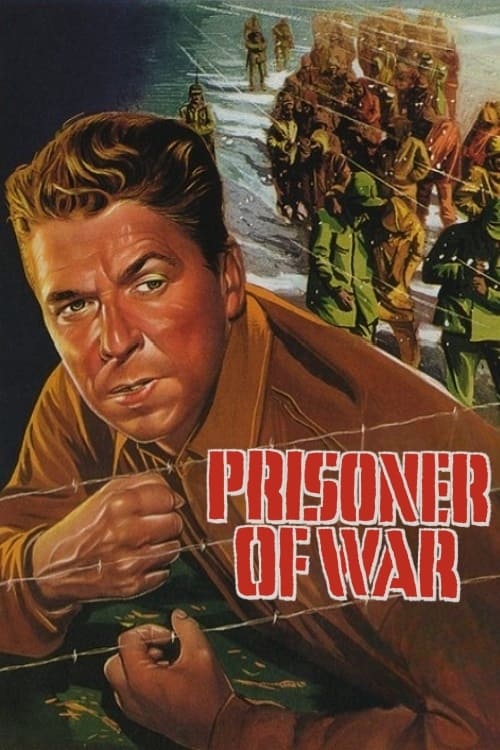
Prisoner of War
1954
American soldiers, captured by North Korean's, are periodically brainwashed into giving up their capitalist ways to join the communist movement.
No Image
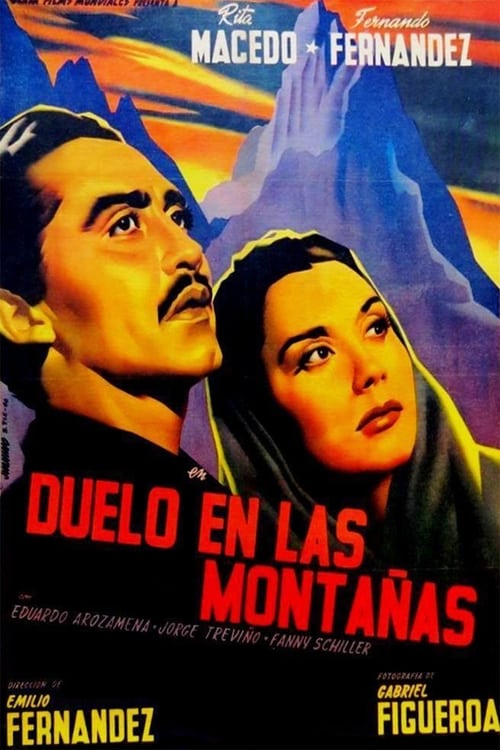
Duelo en las montañas
1950
1910: Revolutionary leader escapes military, hides in small town, falls in love.
The Last Strand
1968
A short film about a young Soviet border guard's confrontation with a state border violator.
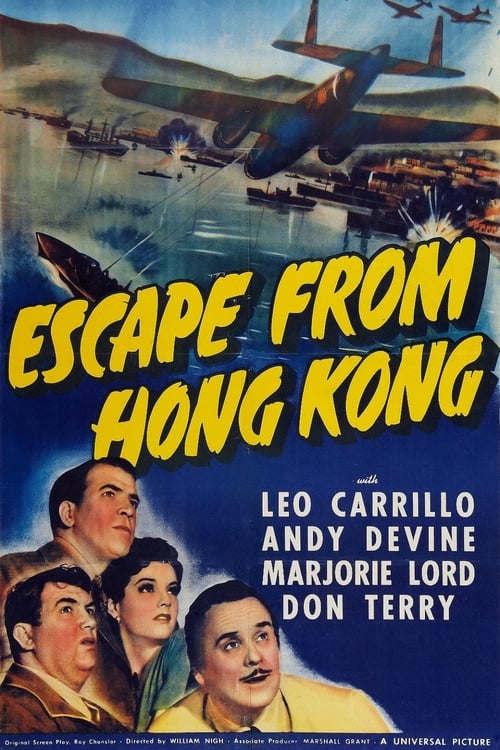
Escape from Hong Kong
1942
Three American vaudeville entertainers become involved with spies in Hong Kong, just before Pearl Harbor.
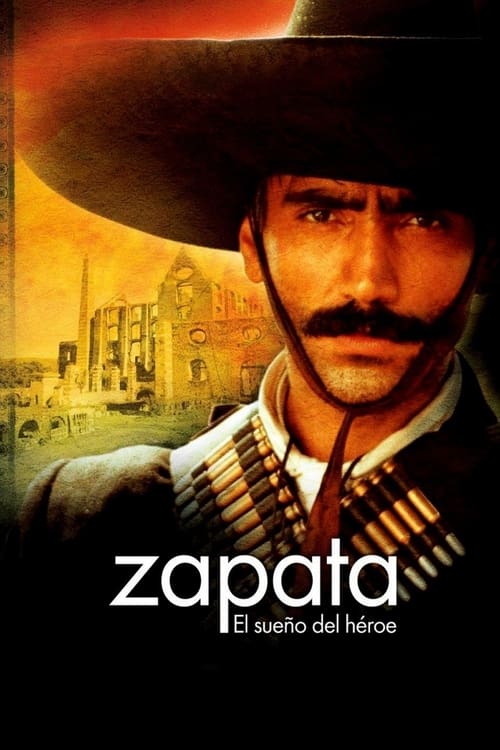
Zapata: The dream of a hero
2004
This fictionalized portrayal of Emiliano Zapata as an Indigenous Mexican shaman, directed by Alfonso Arau, was reportedly the most expensive Mexican movie ever produced, with a massive ad campaign, and the largest ever opening in the nation's history. Unusual in the Mexican film industry, Zapata was financed independently.
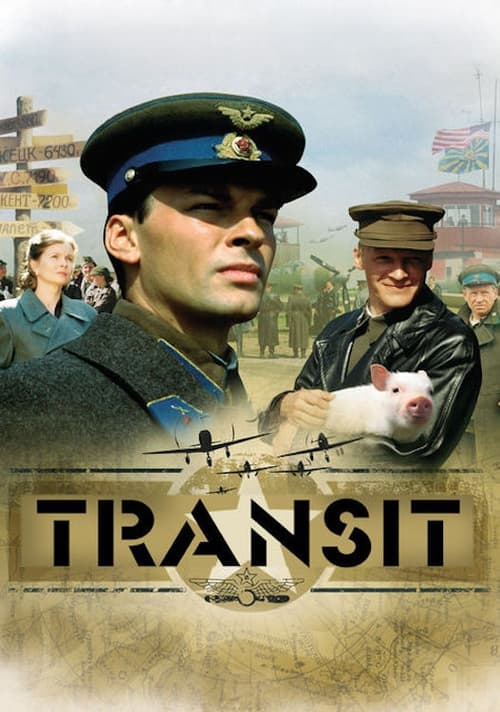
Transit
2006
A group of American pilots from Alaska ferry Airacobra fighter planes across the ocean on Lend-lease. The orderly course of life is disrupted when it becomes clear that the American pilots are attractive and charming young women. The feelings of the Russian young men collide into barriers of culture and language resulting in a host of awkward, funny, and sometimes tragic situations.It is the story of Russians, Americans, and natives of the Far North. It is the story of man and woman in war. Love and death are squeezed between the hills as human fates are destroyed and born.
No Image
Kigeki wa owarinu
1946
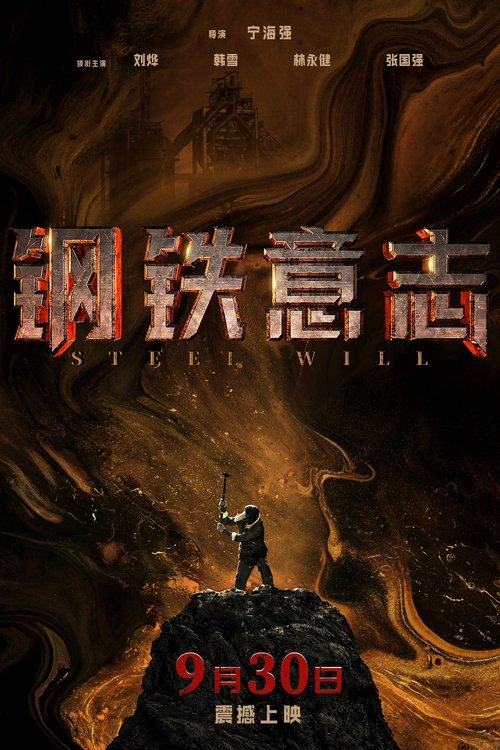
Steel Will
2022

Waterloo: The Last Battle
2014
This is the thrilling tale of one of the most famous battles in history. Hour by hour and often minute by minute, Waterloo describes the battle's twists and turns. Based on the written testimonies of actual combatants, Waterloo describes, without romanticising, the experience of battle, the hopes, fears, suffering, and death.
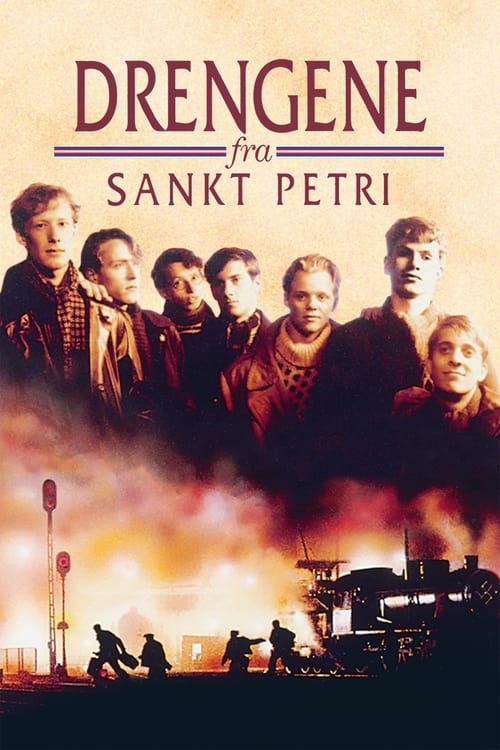
The Boys from St. Petri
1991
A group of school-mates form a resistance group in nazi-occupied Denmark.
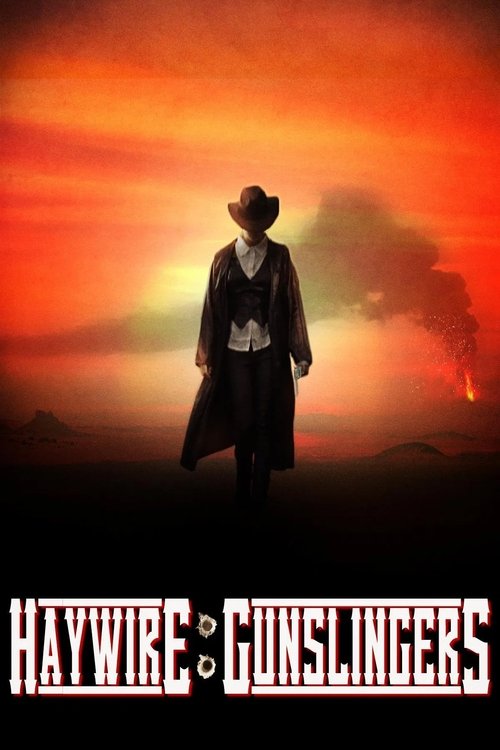
Haywire: Gunslingers
2024
The Nazi's are continuing their goal of creating super-soldiers to win the war, but a lone American soldier and a young girl stealthily move through occupied territory, putting a stop to the Third Reich's plans for world domination.
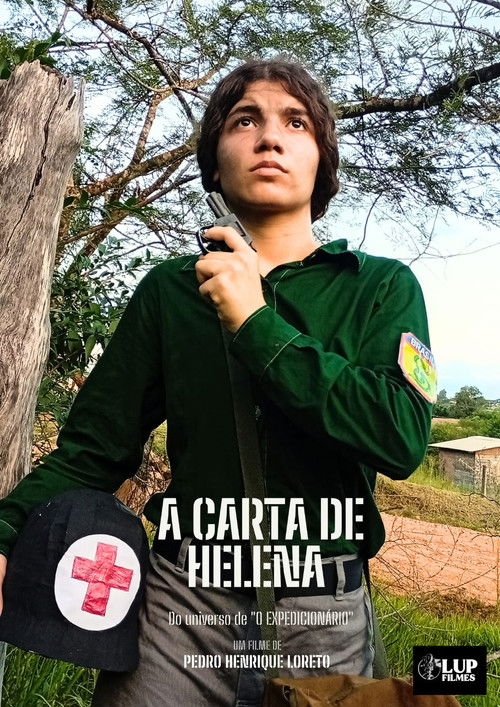
A Carta de Helena
2026
No Image
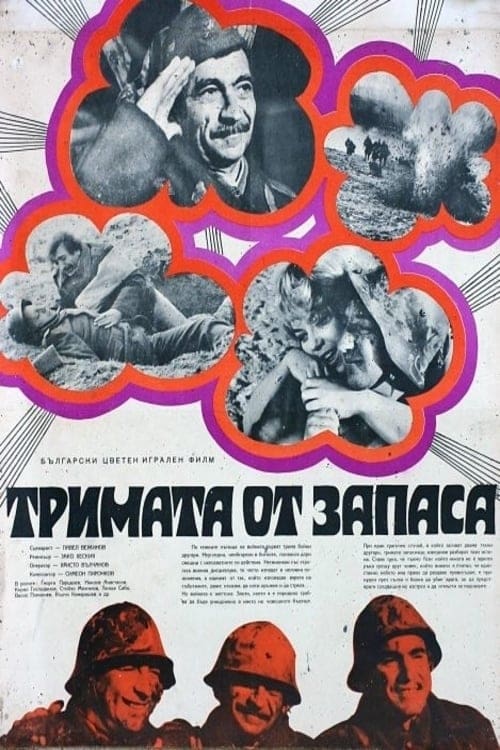
Three Reservists
1971
In 1945, on the battlefields in Hungary, three Bulgarian soldiers from the reserve have to fight for the liberation of the country. They are totally unprepared for the war and have no desire to take part in the battles. The three reservists are the sad sight and initially their commander wants to send them back to Bulgaria. But their attitude is changed after the witnessed tragedies. Without knowing it, they all turn into heroes.
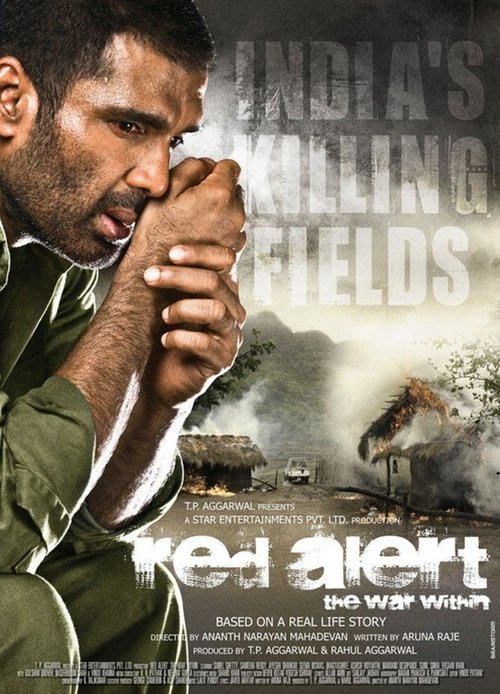
Red Alert: The War Within
2010
While delivering food in a forest area in Andhra Pradesh, impoverished Narasimha is held against his will by a band of Naxalites led by Velu, and forced to join them. He is anxious to collect his dues and return home to his wife, Uma; daughter, Chinna; and son, Mohan, but Velu keeps on putting it off. Narasimha gets to know and sympathize with members of this band, and befriends Lakshmi, who was gang-raped by several policemen. He is then asked to prove his loyalty by killing an informant/plainclothes police inspector - which he does - and even accompanies the band on an assault on a school, resulting in the death of some children. Traumatized after this incident, he decides to flee - and it is this decision that will not only estrange him from his family but also force him to be on the run from the band as well as the police.
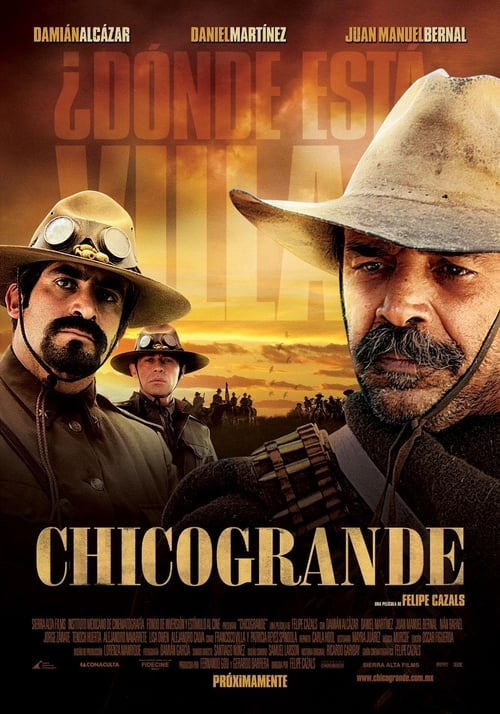
Chicogrande
2010
Butch Fenton, major of American army, comes for Villa's head and he's gonna get it. The "Punitive Expedition" proved to be the last major campaign of the U.S. Cavalry. Mexican revolution is the first social movement of the century.
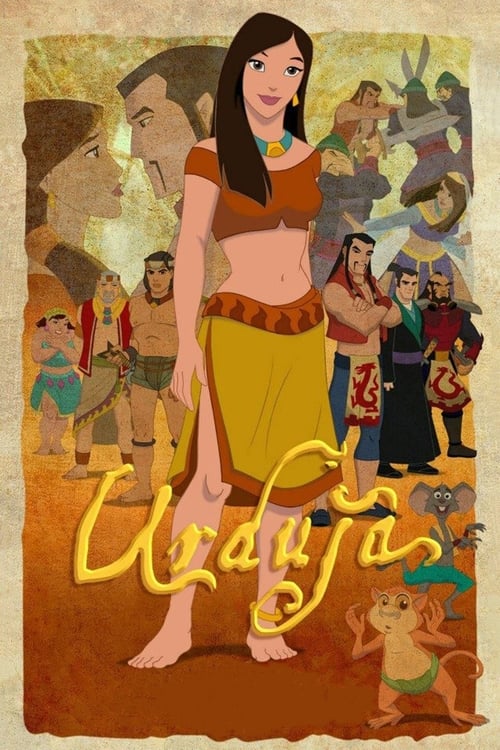
Urduja
2008
Set in the 13th century, the film is a fictionalized tale of Princess Urduja, a legendary warrior princess of Pangasinan. The film is created by an all-Filipino group of animators and made using the traditional (hand-drawn) animation process.
The Armenian Genocide
2005
More than one million Armenians perished between 1915 and 1916 in massacres or brutal deportation programs. Turkey still denies it ever happened. Laurence Jourdan examines massacres of Armenians in the decades leading up to the mass murder, and the geopolitical situation both before and after the genocide. Contemporaneous reports and documents written by Western diplomats stationed in the Ottoman Empire describe the methods used and the deportation routes. These accounts are mixed with personal stories from the living survivors and archive footage from Ottoman authorities.
