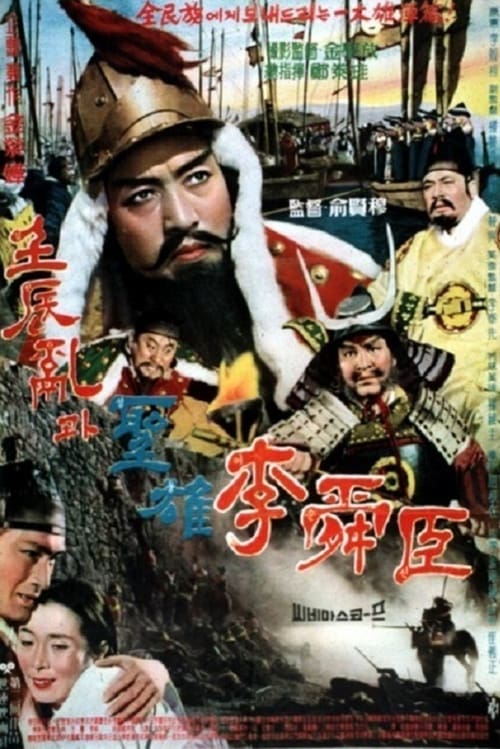
The Great Hero Yi Sun Shin
1962
Movie despicting the life and accomplishments of Korean Admiral Yi Sun Shin.
Browse popular War movies
Movie despicting the life and accomplishments of Korean Admiral Yi Sun Shin.
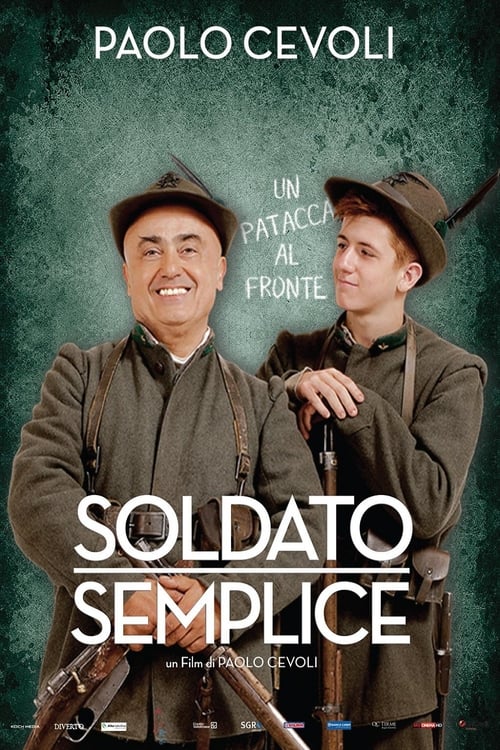
In 1917, Gino Montanari, an elementary school teacher from Romagna, was forced by the principal of his school to volunteer for the First World War because of his libertine and anti-interventionist behavior. With the threat of being expelled from all schools if he refused, Gino was reluctantly sent to the front in a small outpost in Valtellina, where as a heliographer he had to transmit Morse signals with sunlight. His life would be profoundly changed by his encounter with a young illiterate man, with the enemy, and with a series of individuals from various parts of Italy.
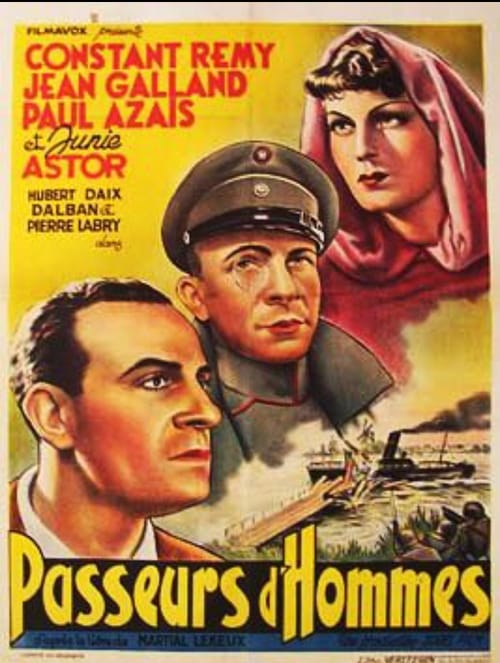
1915, in invaded Belgium, the Germans seek in vain to dismantle the organization of the smugglers of men who help volunteers to cross the Dutch border.
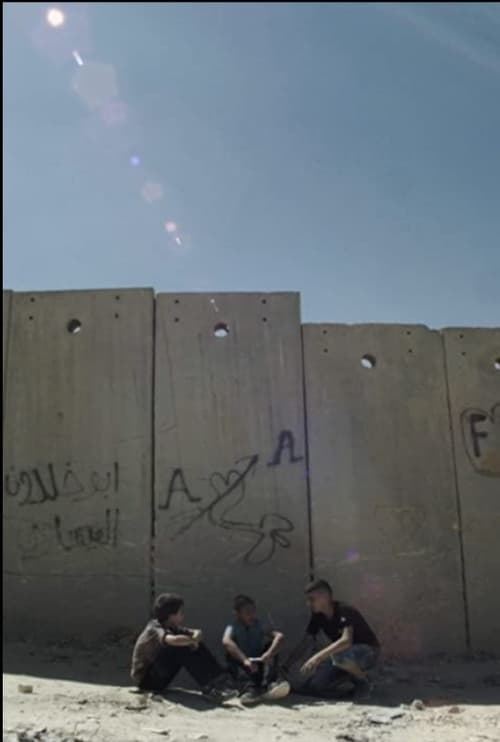
Three boys are growing up in Israel and the Palestinian territories, right next to each other, in completely different worlds. We follow them over the course of a year, through adolescence. We watch as they experience life in promiscuous Tel Aviv, in the religious ideology of a Jewish settlement and in the occupied city of Hebron, where Israeli soldiers are in control. One year of trials and tribulations of three sixteen year old boys. They try to fulfill their teenage dreams in an environment of violence and sometimes war.
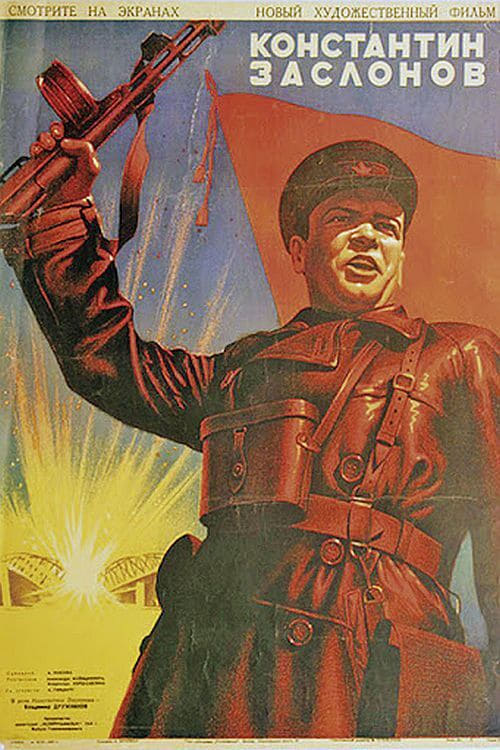
Young railroad worker, seemingly accommodating to Nazi overlords at a captured rural depot, secretly spearheads acts of sabotage against the evil occupying forces.
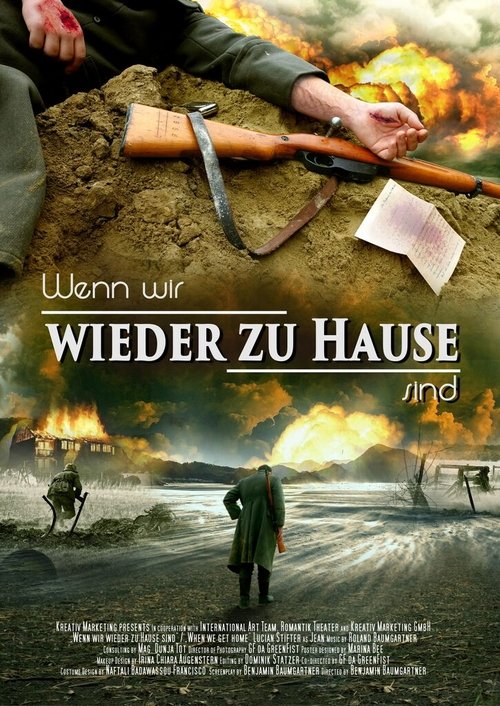
Set in the First World War, the film tells the story of two enemy soldiers who are full of hope, dreams, desires and love, but also full of fear and sadness. When they suddenly face each other on the battlefield while experiencing hell on earth, the core of being human comes to the surface.
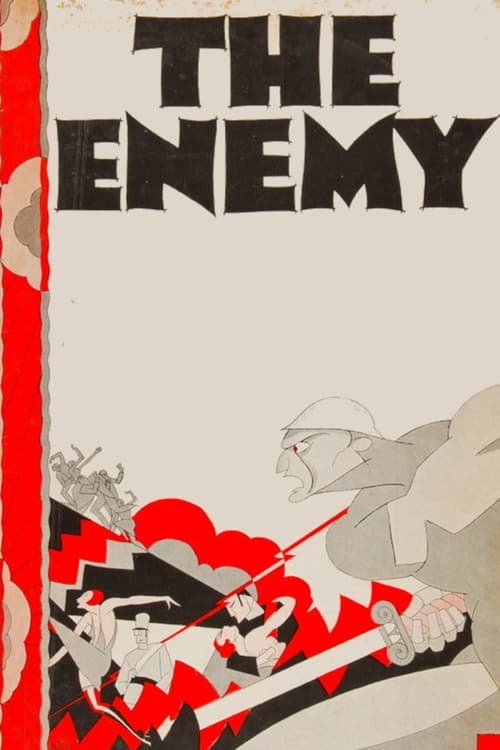
Carl Behrend, son of a wealthy businessman, marries Pauli Arndt, daughter of a pacifist professor. When World War I breaks out, Carl is drafted. Pauli and her family and friends are left behind to experience the suffering which befell civilians during the war. Her luck worsens when her father is dismissed from his professorship for teaching that war is evil. Her father argues violently with Carl's father, and degradation and despair descend on Pauli and her family as they await Carl's return from the front.
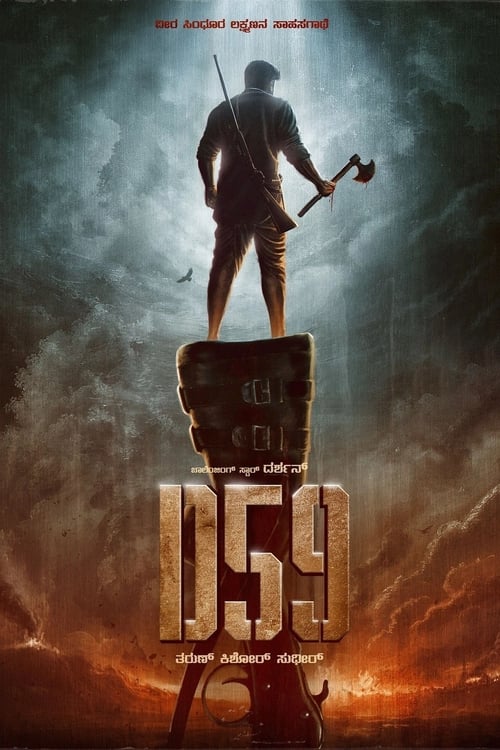
Darshan Thoogudeepa's 59th Film based on the Indian Freedom Fighter Veera Sindhoora Lakshmana

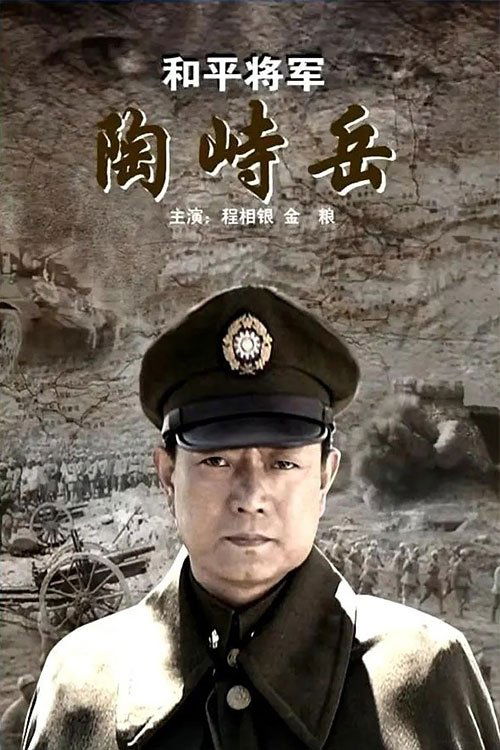

Kiku-chan to Ookami, one of the Sensou Douwa wartime specials, follows a young Japanese settler girl in Manchukuo, Japan’s puppet state in occupied northeast China, during the final days of World War II. As Soviet forces enter Manchuria and Japan’s colonial rule collapses, Kiku’s family joins other settlers fleeing south toward Korea in the hope of returning to Japan. When Kiku falls ill with measles, the refugee group abandons her, leaving her behind to die. Alone in the wilderness, Kiku is found by an old wolf who first sees her as prey. But as the wolf watches over the helpless child, hunger gives way to a strange, fragile bond. With soldiers, fire, illness, and starvation closing in, can Kiku survive long enough to be found?
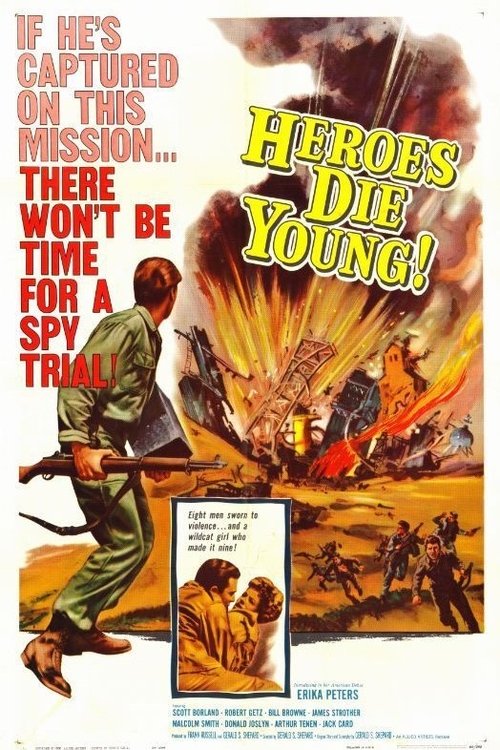
Eight American soldiers, commanded by Lt. Eason, are chosen to infiltrate the Ploesti oil field in order to set signal fires to guide Allied bombers to Germany's most closely guarded target of the war. When landing in Roumania, they are supposed to be met by a partisan as their guide, but he has been killed by an Allied air-raid, and they are met instead by his daughter Nitza, who is very hostile to the Americans as she blames them for the death of her father. As they make their way to the oil field, Nitza and Manjack fall in love. He is killed in a skirmish with German troops and, as a dying wish, asks Nitza to continue with the group and help them with their mission. She does, the signal fires are set and Ploesti is destroyed.
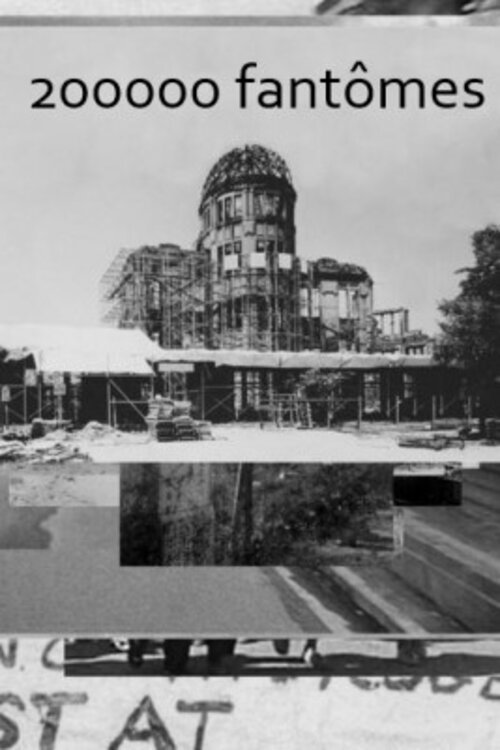
In 1914, the Czech architect Jan Letzel designed in the Japanese city of Hiroshima Center for the World Expo, which has turned into ruins after the atomic bombing in August 1945. “Atomic Dome” – all that remains of the destroyed palace of the exhibition – has become part of the Hiroshima memorial. In 2007, French sculptor, painter and film director Jean-Gabriel Périot assembled this cinematic collage from hundreds of multi-format, color and black and white photographs of different years’ of “Genbaku Dome”.
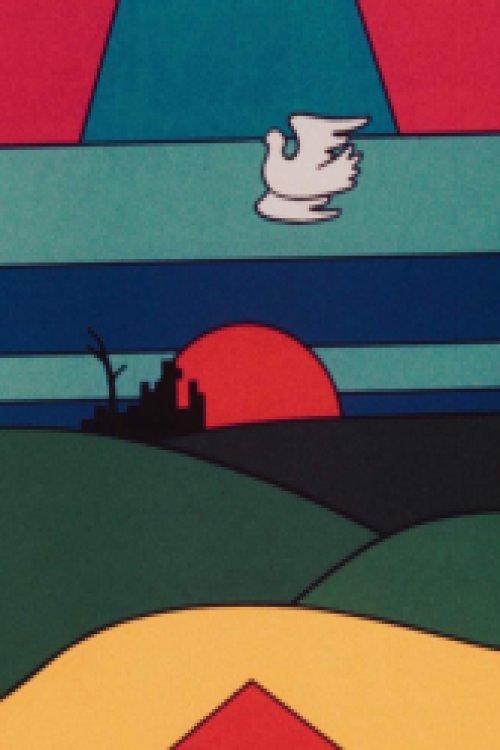
This short, animated piece of agitprop fiercely expresses the hopes of the Chilean people.
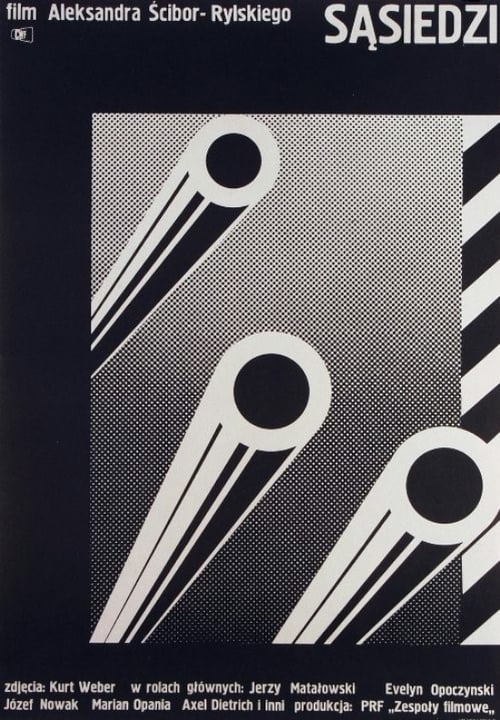
A day before the beginning of the Second World War, a young resident of Bydgoszcz falls in love with a German teenager.
"La Vira - the secret menu" documentary produced by the State Security Service in collaboration with Real TV

Alerik, a dreamy 16-year-old boy, lives with his grandfather in a country that is at war. When the old man is killed in a bomb attack, Alerik becomes obsessed by the wish to take revenge. From now on, the war has him firmly in its clutches.

Lionel Rogosin's plea for humanity and against war and fascism. For two years, Rogosin traveled to twelve countries to collect footage of war atrocities from their archives. He interspersed these harrowing images with scenes of a London cocktail party's mundane chatter. Good Times, Wonderful Times was released in 1964 at the height of the Vietnam War, and became one of the great anti-war films of the era.
