Atatürk II 1881 – 1919
⭐ 8.2

Atatürk II 1881 – 1919

2024

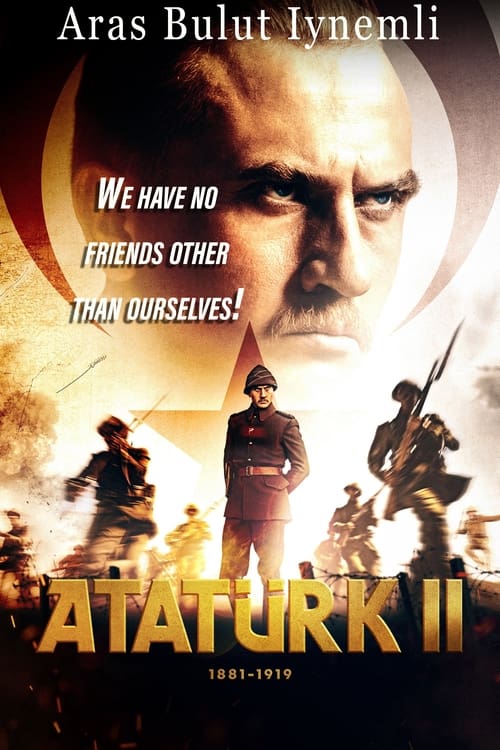
Mustafa Kemal had just begun his journey after proving himself in 1915 at the Gallipoli front. He would go on to face major battles on the eastern front against the Russians and later against the British in Syria, ultimately becoming the only Ottoman officer not to lose a battle during WW1. However, despite all his success, he would encounter an unexpected challenge upon his return to Istanbul.

Un delitto ideale
⭐ N/A

Un delitto ideale

2025

Year 1900, July 28: Gaetano Bresci, an Italian anarchist who had moved to America, arrives in Milan. The man has only one thought in his mind: to assassinate the King of Italy, Umberto I of Savoy.

Homesick
⭐ 5.4

Homesick

2021

A university student returns home to self-isolate during the lockdown. He's totally alone, he's caught the virus and in order to cope, he's started to talk to himself.

Bombshell
⭐ 8.0

Bombshell

2026

Eighty years after the devastating atomic bombings that ushered in the nuclear age, Bombshell explores how the U.S. government manipulated the narrative about the atomic bombings of the Japanese cities Hiroshima and Nagasaki. Through propaganda, censorship and the co-opting of the press, the government presented a benevolent picture of atomic power, minimizing the horrific human toll. Bombshell sheds light on the efforts of a group of intrepid reporters to let the world know the truth.

George Wallace
⭐ 6.8

George Wallace

1997

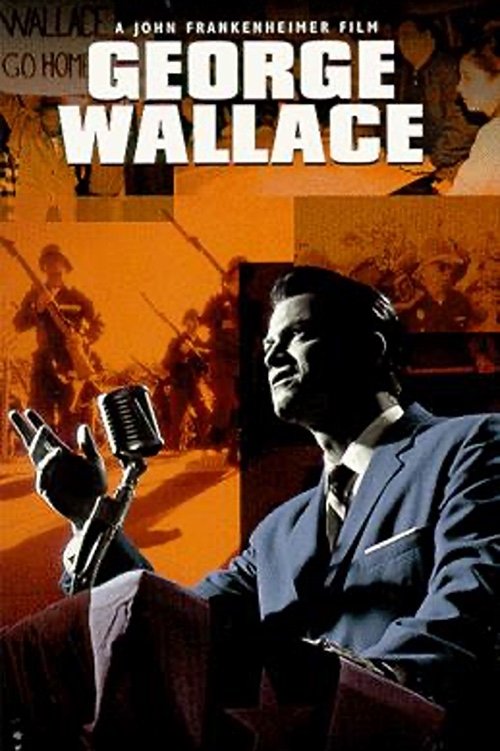
George Wallace is a 1997 television film starring Gary Sinise as George Wallace, the former Governor of Alabama. It was directed by John Frankenheimer, who won an Emmy award for it; Sinise and Mare Winningham also won Emmies for their performances. The film was based on the 1996 biography Wallace : The Classic Portrait of Alabama Governor George Wallace by Marshall Frady, who also co-wrote the teleplay. Frankenheimer's film was highly praised by critics: in addition to the Emmy awards, it received the Golden Globe for Best Miniseries/Motion Picture made for TV. Angelina Jolie also received a Golden Globe for her performance as Wallace's second wife, Cornelia.

Richelieu ou La journée des dupes
⭐ 8.0

Richelieu ou La journée des dupes

1983

A historical television film directed by Jean‑Dominique de La Rochefoucauld, Richelieu, or The Day of the Dupes recounts the political tensions that came to a head in November 1630, when Marie de’ Medici attempted to remove Cardinal Richelieu from power. Blending court intrigue, the king’s illness, and decisive reversals, the film portrays the struggle for influence that ultimately cemented Louis XIII’s trust in his minister. Led by Didier Sandre, Patrick Raynal, and Dominique Blanchar, the telefilm offers a meticulous reconstruction of the events that shaped the kingdom’s balance of power.

Vision - From the Life of Hildegard von Bingen
⭐ 6.0

Vision - From the Life of Hildegard von Bingen

2009

Hildegard von Bingen was truly a woman ahead of her time. A visionary in every sense of the word, this famed 12th-century Benedictine nun was a Christian mystic, composer, philosopher, playwright, poet, naturalist, scientist, physician, herbalist and ecological activist.

Bariera
⭐ 7.2

Bariera

1972

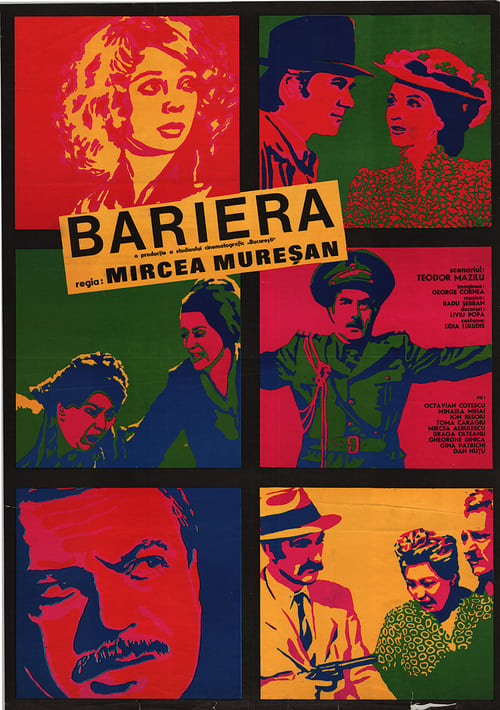
In 1942, Nea' Vitu is in trouble with his children: a son is fascinated by the world of war profiteers, and the daughter is going around with the speculator "Treispemii" (Dan Nutu). On the evening of her engagement, Vitu is denounced by his son for hiding an illegal printing press in a painter's house. Thirty years later, he returns to the slum and searches for the Vitu family. They no longer live there, the neighbors have changed, and he investigates to find out what happened to them. Nea Vițu, you raise your daughter, Rădița, and son Fănică. His wife Dorina died when Fănică was born. Apparently, family problems are difficult barriers to overcome. He's an honest man. He gets angry at the slick Fănică. Fănică is also chased away by the slum priest, because he wanted to make a new bible... where he'd be Fănică the God .... Rădița goes around with the speculator "Treispemii". In 1942, nea Vițu joins the fight against the Nazis and runs an illegal printing house with a painter...

¡Las Sandinistas!
⭐ 7.1

¡Las Sandinistas!

2018

¡Las Sandinistas! uncovers the disappearing stories of women who shattered barriers to lead combat and social reform during Nicaragua’s 1979 Sandinista Revolution, and who continue to lead Nicaragua’s current struggle for democracy and equality.

No Image
⭐ N/A

SayKomSa

1998

[...] "History has made Vietnam one of my favourite places... The links that you establish with people and places very often seem totally unexpected. But it is not a question of chance. It is, among other things, a question of history, of a sequence of events, "that's how it is". Once that is admitted, you can spend a lot of time trying to understand why that is how it is." (Robert Kramer)

Penn sardines
⭐ 5.3

Penn sardines

2004

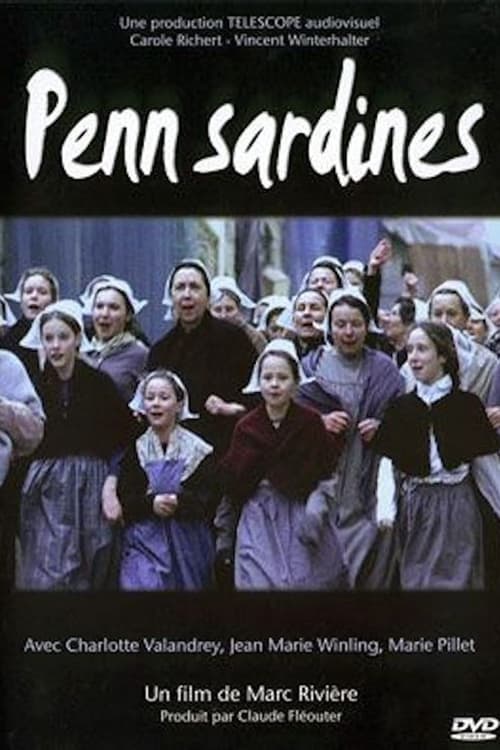
In 1924, female workers in a sardine cannery in Brittany went on strike.

Tales from the Golden Age
⭐ 7.0

Tales from the Golden Age

2009

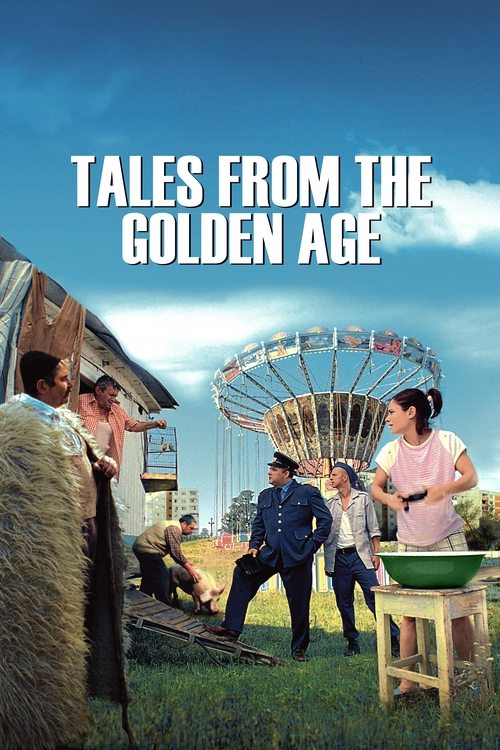
Composed of six unconventional vignettes, each one dealing with the late communist period in Romania, a narrative is told through its urban myths from the perspective of ordinary people. The title refers to the alluded "Golden Age" of the last 15 years of Ceaușescu's regime.

No Image
⭐ N/A

Nana

2027

The Sign Painter
⭐ 5.9

The Sign Painter

2020

A Latvian tragicomedy about a young artist who bears witness to the dramatic political upheavals of the WWII era. As brutal regimes come and go, his country, his village, his people, and even his heart are swept up in the inexorable currents of history.

The Anarchist's Wife
⭐ 5.6

The Anarchist's Wife

2008

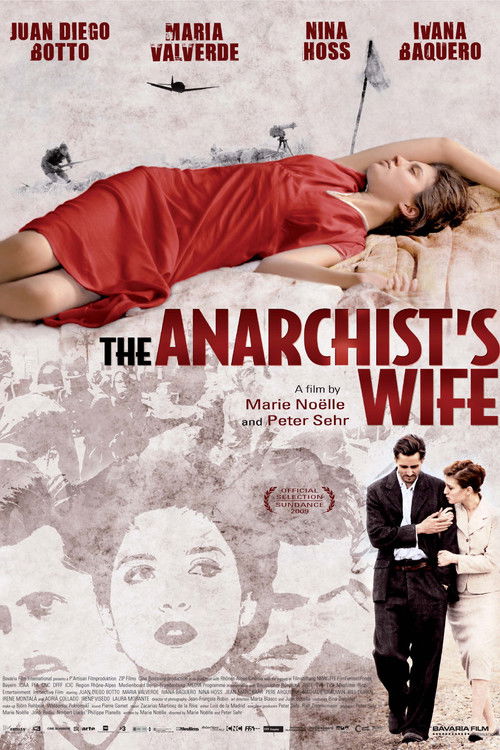
Manuela is left behind when her husband Justo fights for his ideals against Franco's Nationalists during the Spanish Civil War. He is deported to a concentration camp, and upon his release, continues the fight against nationalism in the French resistance. Years pass without a word from him, but his wife never gives up hope of seeing him again.

Siti Zubaidah
⭐ 9.0

Siti Zubaidah

1962

Siti Zubaidah is based upon the 19th century poem 'Syair Siti Zubaidah Perang Cina'. It centers on Siti Zubaidah, the wife of Sultan Zainal Abidin, who is left defenseless after her husband is taken hostage by a Chinese empress. She eventually allies herself with Princess Rukia of Yunnan, who had fled her own palace under threats of sexual assault. Taking matters into their own hands, they adopt male identities and lead a military conquest across China to rescue the Sultan. Directed by B. N. Rao and starring Maria Menado, the Cathay production borrowed from both of its niches at the time: the film language and costume styles of Malay cinema and Chinese wuxia films, resulting in an imagined reality fusing both visual cultures. At the core of the myriad garbs, armour, accessories and makeup donned by the characters, the tale chronicles the adoption of transformative identities to overcome adversity, enact justice and revenge.