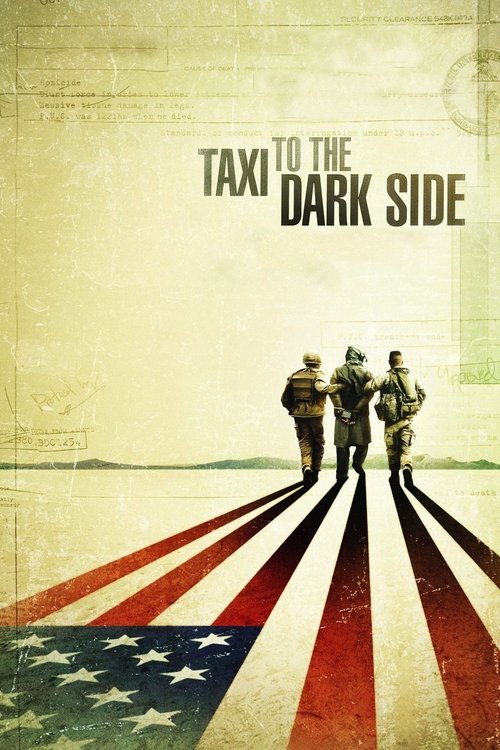
Taxi to the Dark Side
2008
An in-depth look at the torture practices of the United States in Afghanistan, Iraq and Guantanamo Bay, focusing on an innocent taxi driver in Afghanistan who was tortured and killed in 2002.
Browse popular Documentary movies
An in-depth look at the torture practices of the United States in Afghanistan, Iraq and Guantanamo Bay, focusing on an innocent taxi driver in Afghanistan who was tortured and killed in 2002.
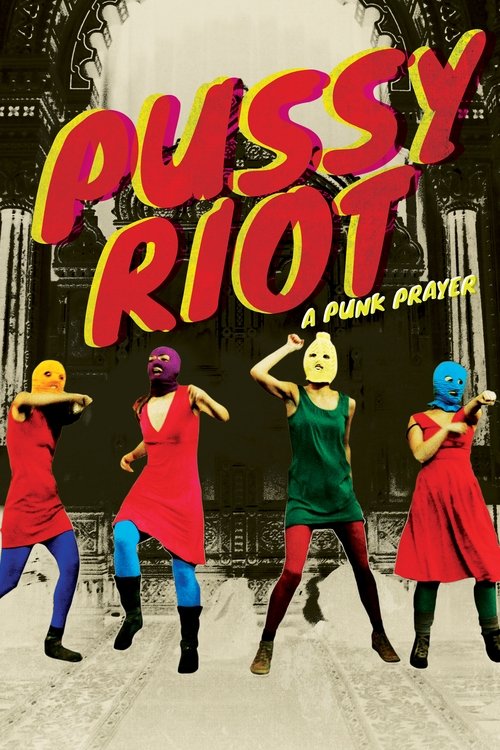
In the winter of 2011, after a controversial election, Vladimir Putin was reinstalled as president of Russia. In response, hundreds of thousands of citizens rose up all over the country to challenge the legitimacy of Putin’s rule. Among them were a group of young, radical-feminist punk rockers, better known as Pussy Riot. Wearing colored balaclavas, tights, and summer dresses, they entered Moscow’s most venerated cathedral and dared to sing “Mother Mary, Banish Putin!” Now they have become victims of a “show” trial.
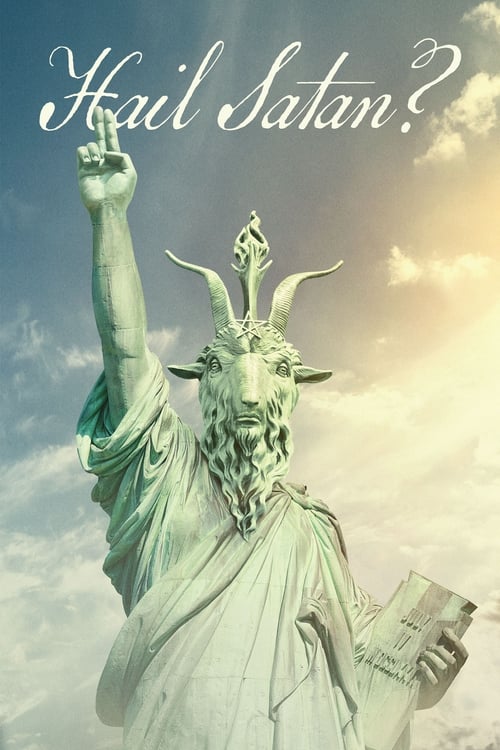
The story of The Satanic Temple, a controversial movement that combines religion and activism with the apparent purpose of questioning the basic foundations of US society.
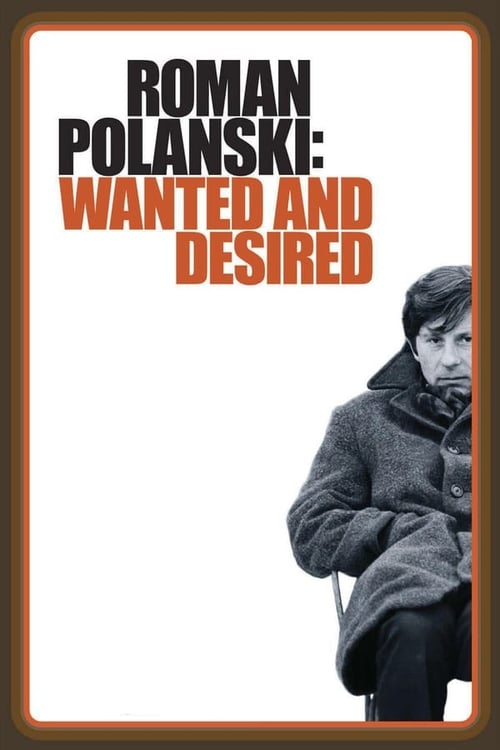
Examines the public scandal and private tragedy which led to legendary director Roman Polanski's sudden flight from the United States.
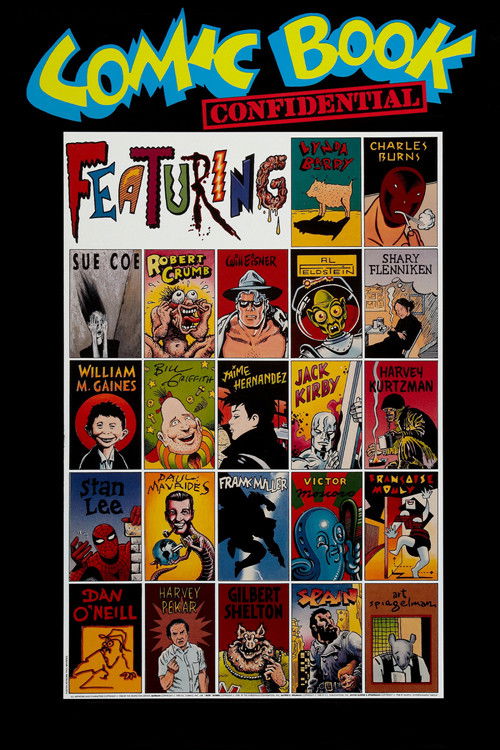
A survey of the artistic history of the comic book medium and some of the major talents associated with it.
A story of one of the builders (Szczepan Brzezisnki) of Nowa Huta. He talks about the beginning of the city and combine. The past makes him proud. Nowa Huta still fascinates him. His son’s opinion is totally different. The Old Town in Cracow fascinates him.
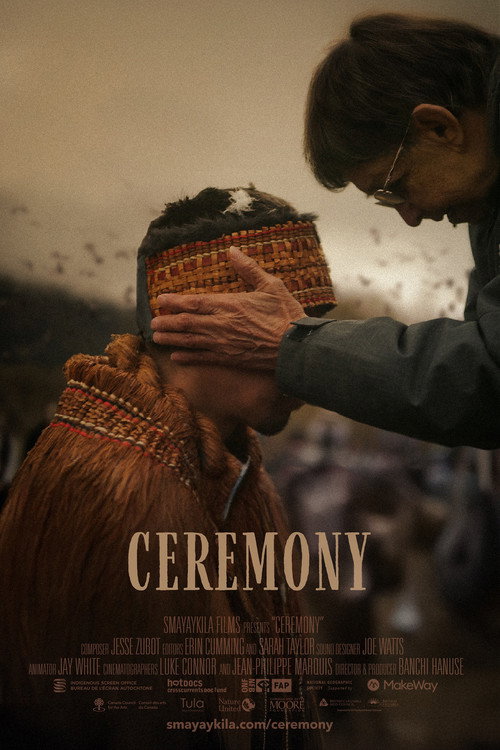
When the Nuxalk trace their vanished ooligan alongside a land claim filed the day smallpox arrived, their radio station becomes courtroom, confessional and conjuring ground, where an older law insists: the fish and the people return together or not at all.

Filmed during Rogge’s stay in the United States between 1927 and 1928, the film moves through the streets of Hollywood, Los Angeles, aiming to reveal to Brazilian audiences the inner workings of the major studios, as well as famous actors and actresses, local culture, and curiosities. With the flavor of a cinematic newsreel, this nearly century-old “Paranaense” film reveals, behind its informative intertitles and peculiar portraits, the interest of businessman-turned-filmmaker Arthur Rogge in the development of a local film industry.
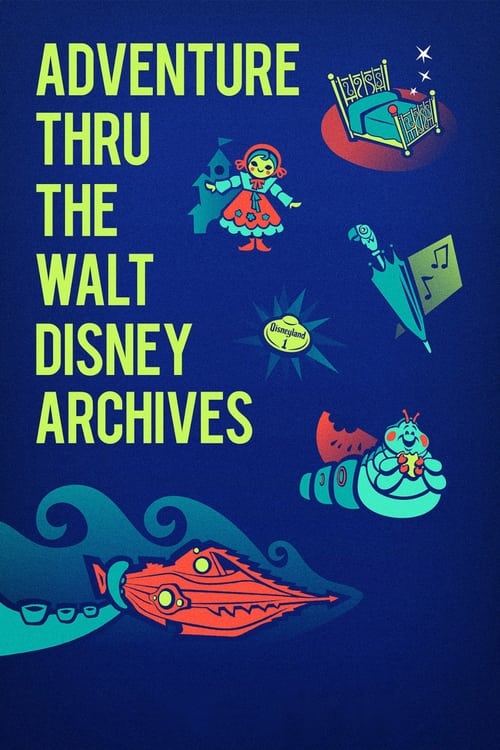
Explore the rich history of the Walt Disney Archives as legendary producer and host Don Hahn tours rarely seen areas of the department’s vast collections along with beloved Disney locations — including theme parks and the studio lot — through an engaging, historical lens.
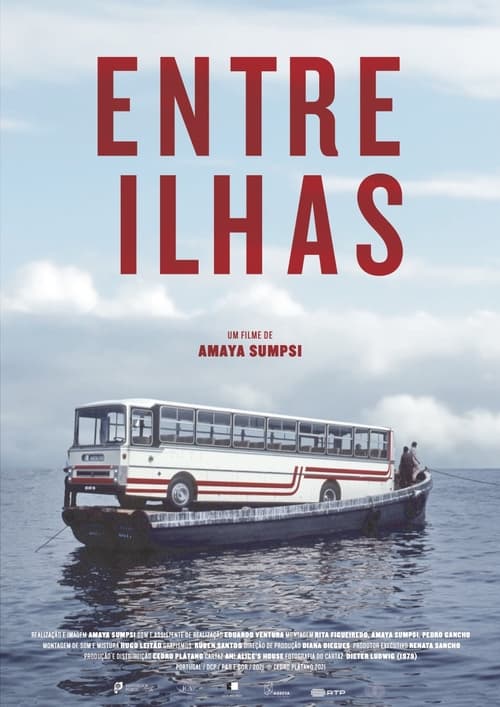
Aboard the “Express Santorini” cruise, Between Islands travels through the Azores archipelago. Through diaries, archive images and using reports from travellers and sailors, we focus on a time when the sea was a significant community and social space.
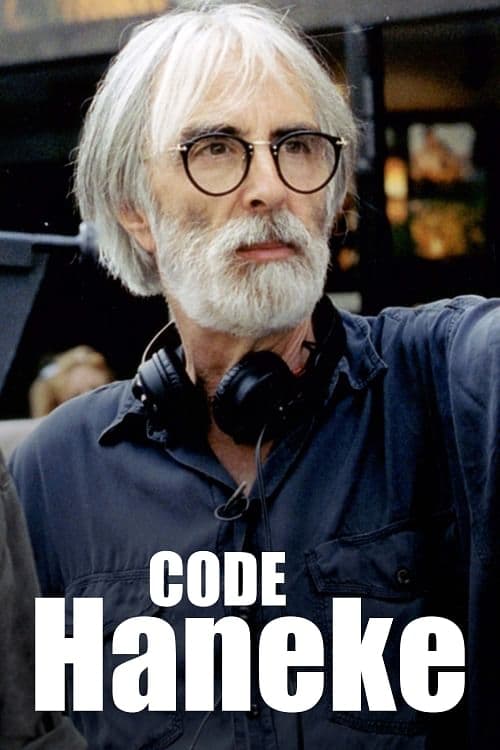
Features interviews with two-time Palme d'Or winner Michael Haneke and his key collaborators, alongside excerpts from his films.
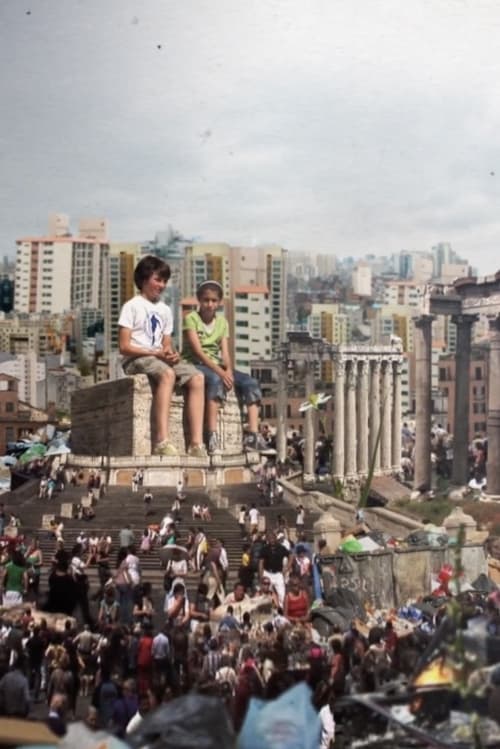
Panorama is the first chapter of a trilogy about the city. A review of a polis extended over an infinite space without uninhabited places or borders to take refuge. A landscape without readmission for the excluded, like imaginary worlds in search of balance.
Alex Txikon, internationally renowned mountaineer, is launching a new winter expedition in 2021 to Manaslu (Nepal). It is the first non-polluting ascent, powered by solar panels. With this sustainable system, which reduces the energy footprint in accordance with the Paris Agreements, the EKI Foundation is beginning its work of solidarity. Alex is going to learn about the work developed by the Foundation in Sierra Leone, where they provide solar energy systems that enable energy autonomy in schools and hospitals. Txikon proposes to replicate this idea in a very special school in the Diamer Valley in Pakistan, the Günter Mountain School, uniting two different but at the same time equal cultures.

Zack Weiner is an actor residing in New York City. When the film industry shut down in 2020, Zack and his friend Joe embarked on a unique project: to make a film about running for city council, while actually running for city council.
Far from their former reality, in an ancient now deserted palace, a group of men and women share their life stories and explain how they survived, living and sleeping in the streets of Porto.

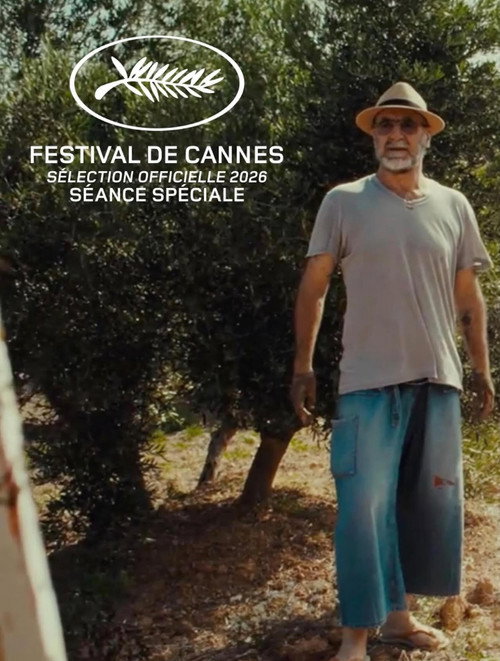
Told largely in his own words, the remarkable story of Eric Cantona's journey from volatile French prodigy to Manchester United legend.
Go behind the scenes and around the world with the "Sense8" cast and crew in this in-depth look at how the hit series is made.
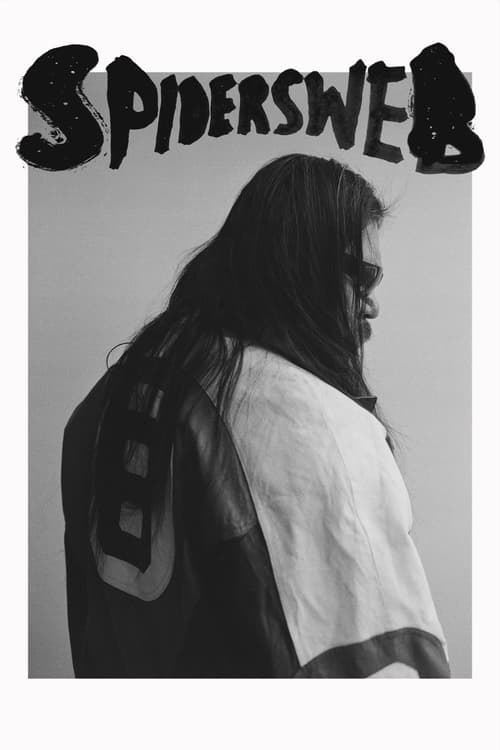
Spiders Web is a docu-fiction film that follows Spider, a 56 year old man from Toronto who is yet again facing jail time. His last hope of staying out of prison is finding Cougar, a woman he’s spent more than one drunken night with but can’t seem to find. This journey to find Cougar leads him through Toronto, to friends, family and deep into his dreams. His search stirs up the past and he is forced to face demons he thought he had buried long ago; Love, pain, violence and confusion.
