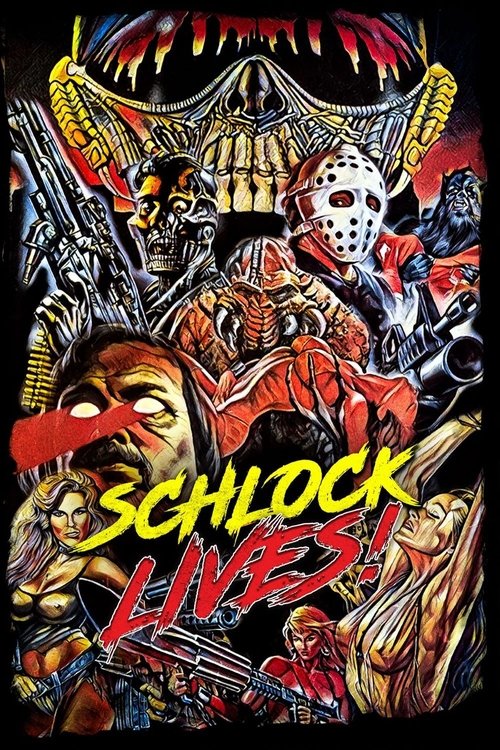
Schlock Lives!
2021
An in-depth look at the gritty and modern schlock, horror and splatter gore filmmakers who are keeping the flame of the 70's grindhouse era truly alive!
Browse popular Documentary movies
An in-depth look at the gritty and modern schlock, horror and splatter gore filmmakers who are keeping the flame of the 70's grindhouse era truly alive!
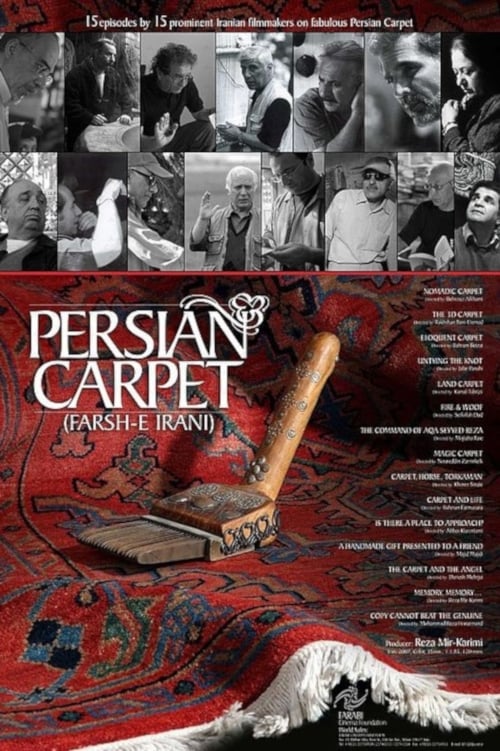
Persian Carpet is an omnibus film produced by Iran's National Carpet Center and Farabi Cinema Foundation where 15 renowned Iranian directors contributed films on the subject of Persian carpet. Carpets are the reflection of the cultural and historical identity of Iran.
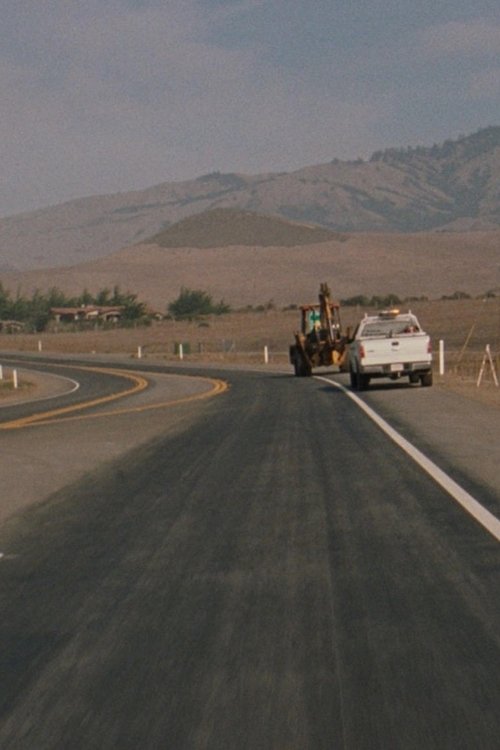
For months Eva Van Tongeren maintains a correspondence with the convicted and incarcerated paedophile Thomas. With a voice-over she reflects upon his thoughts and how their atrociousness resonates through her daily life. Despite her unchanging incomprehension she seeks the limits of her empathy and tries to find ways to deal with such a loaded subject. As it proves to be impossible to make a connection she looks for something that does bind them. This brings her to the American landscape surrounding Death Valley, a place Thomas always wanted to visit. The filmmaker sends him fragments of quiet landscapes and memories that will never be his.
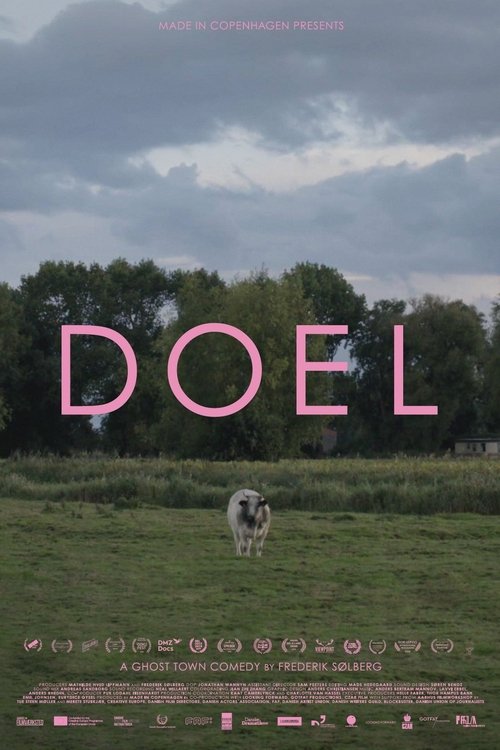
26 people live in the Belgian city of Doel, and they have no plans of moving anywhere. Even if everyone else is busy telling them how hopeless their beloved ghost town is. Vandalised, dilapidated and an ironic destination for urban explorers, car nerds and Dutch techno ravers. Doel is squeezed between an industrial port and a nuclear power station, and since the 1960s the government has regularly tried to raze it to the ground to make space for a container park in the name of globalisation. The school, the shops and even the church have closed, and most houses have either been torn down or abandoned. But the last inhabitants are not giving up. Young as well as old agree to defend Doel to the very end.
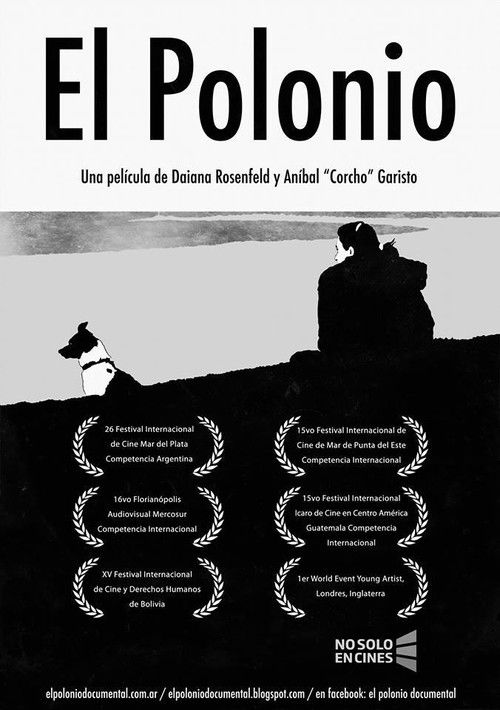
A documentary about the people of Cape Polonio, a vacation resort, and what these people do once the tourist season ends.
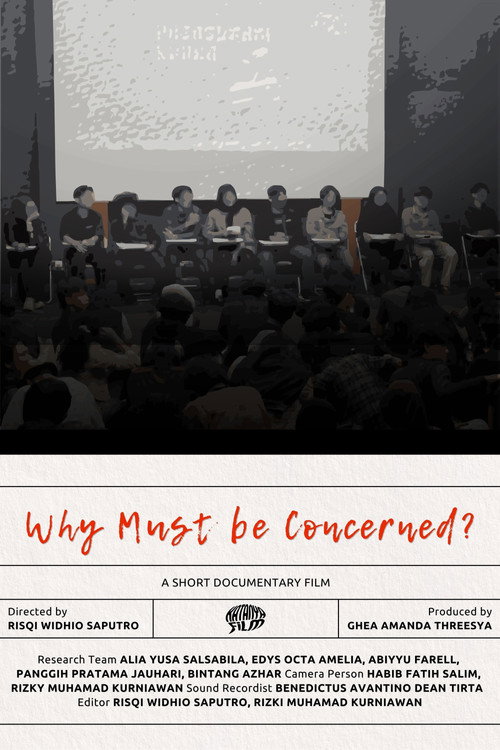
A group of students were making a documentary film about disability. During the filmmaking process, they began to feel concerned about the topic of disability itself. They felt that they did not fully understand the topic, yet they were responsible for presenting the documentary film to the general public. Finally, they reflected on the mistakes they had made and decided to change their journey into a documentary film.
Throughout world history, great civilizations have survived and extended their rule through dependence on great infrastructures. Rome had its roads and aqueducts. The Mayans had their pyramids and palaces. But what happens when society neglects its infrastructure? Right now, the U.S. infrastructure is collapsing and it impacts every single person in this country. In the first half of the 20th century, our bridges, highways, tunnels, dams, levees, ports, water and gas pipelines were built during the greatest age of construction the world had ever seen. But now these steel and concrete achievements are deteriorating. More than 70,000 of our nation's bridges are rated structurally deficient. Massive grid failures have left millions in the dark. 25,000 miles of commercial navigable waterways and locks have exceeded their 50-year design life. Everything from dilapidated levees to pipelines to railroads is past their expiration date.

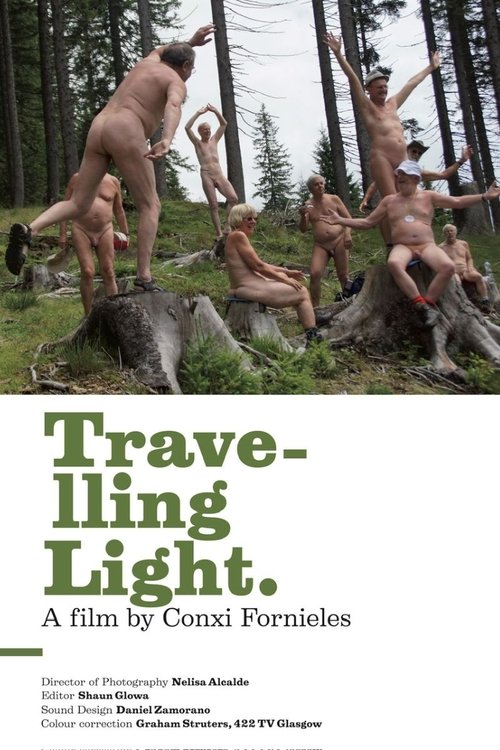
Every July, a group of nudists from all over the world travel to the Austrian Alps to spend a week trekking. Some of them they are acquainted, some of them are new to it. This is a film about how we see ourselves when we accept who we are.
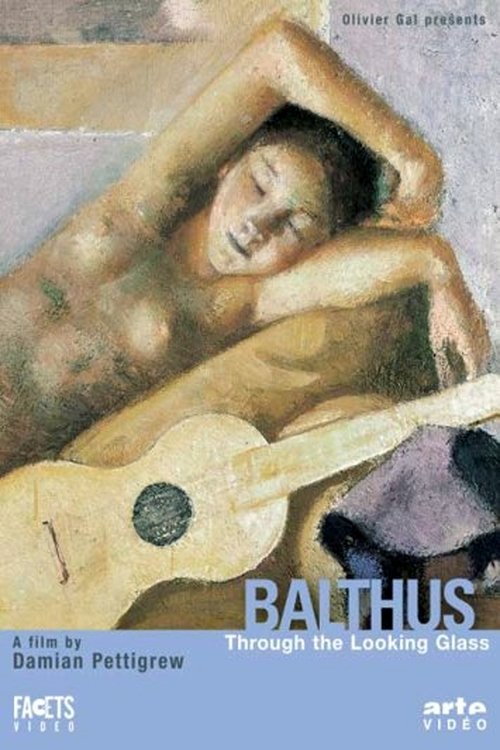
Using rare images of the artist filmed at work in his studio, exclusive interviews with his family and close friends, photographs by Henri Cartier-Bresson, and unpublished artwork, this award-winning feature documentary highlights the painter’s complex creative process. Acclaimed as the definitive film portrait of the master, Balthus through the Looking-Glass was shot on Super 16 over 14 months in Switzerland, Italy, France and the Moors of England by the director of Fellini, I’m a Born Liar. (Arte)
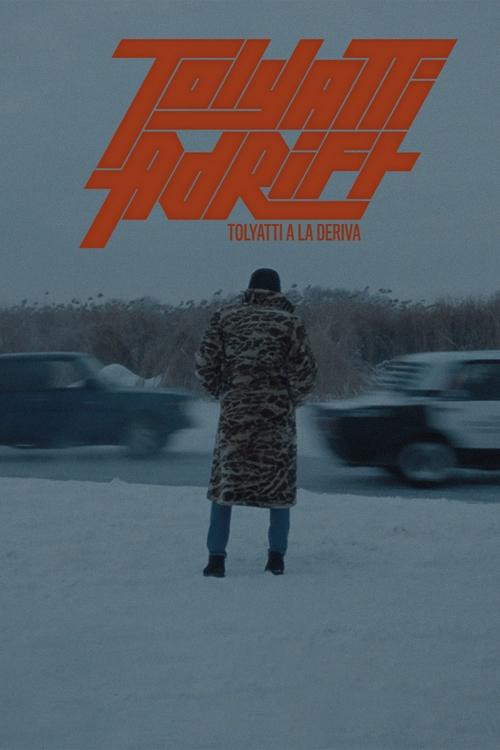
A portrait of the disenchanted youth of the city of Tolyatti, once a symbol of Soviet progress and the automobile, now devastated by economic decline. Laura Sistero encounters an aimless young generation, who express their dreams of escape through crazy races in old patched-up Ladas. A cinematic object is propelled by spectacular skids to the rhythm of an electro-rock soundtrack.
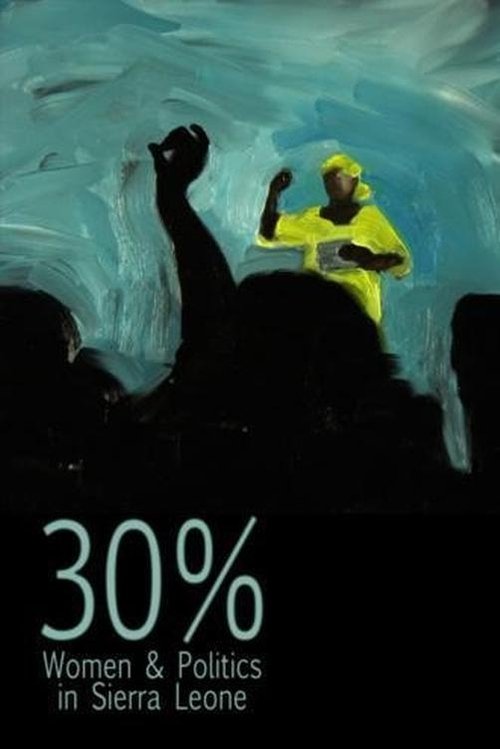
The story of the ten-year battle to achieve fair representation for women in the governance of Sierra Leone is passionately revealed to us by three women from diverse backgrounds. Bernadette Lahai, Salamatu Kamara and Barbara Bangura share their stories of the impediments women face within the world of politics in Sierra Leone. Em Cooper’s exquisite oil painted animation combined with live-action video transforms issues of gender and politics into a compelling and thought-provoking viewing experience.
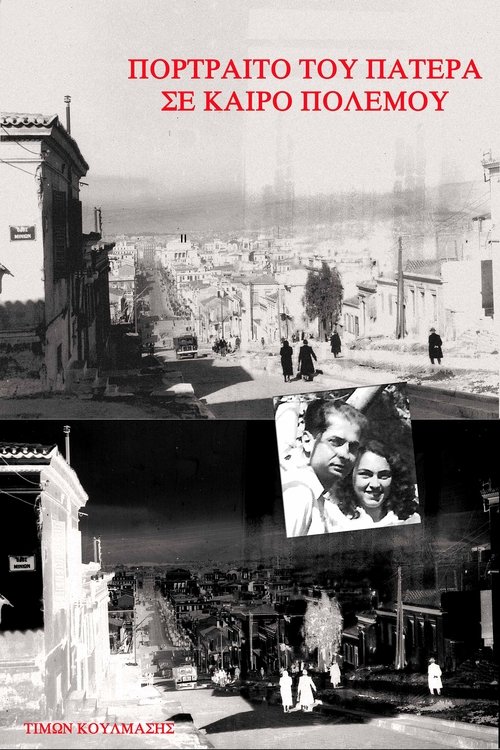
With the German Occupation in Greece (1941-1944) as a background, this film tells the love story between my father, an assistant professor at the mysterious German Scientific Institute of Athens - financed by the occupying power, Germany, but in reality a refuge for resistant students - and Nelly, a young student in Fine Arts. The film also traces the portrait of their friend Rudolf Fahrner, founder of the Institute, comrade of the Stauffenberg Brothers and one of the few conspirators of the assassination attempt on Adolf Hitler, on 20 July 1944, that survived the repression that followed.
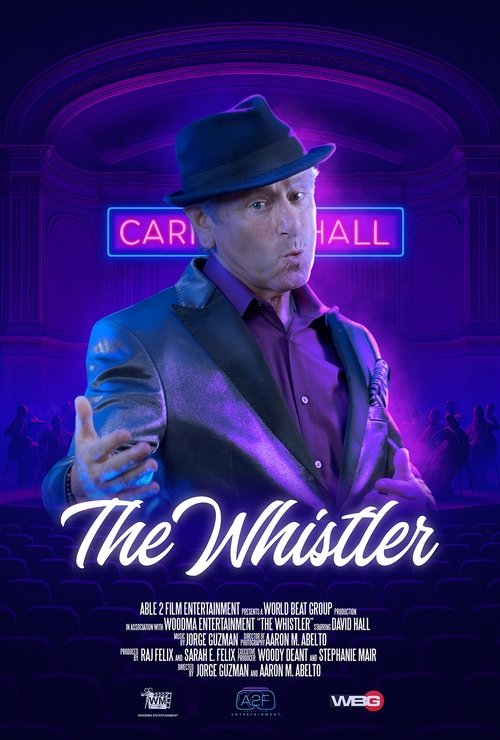
You ever wondered what it would be like to Whistle for a world record? David hall, a renowned Whistler takes us on his journey of how he became the Guinness world record holder. And his ultimate dream of Whistling with an orchestra in Carnegie Hall.
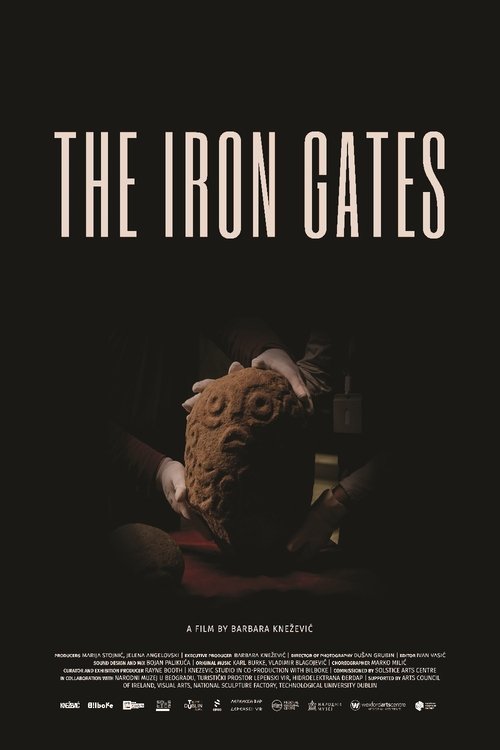
Cinematic observations and testimonies intertwine with interpretations of contemporary dancers, the author’s sculptural work, and the voices of actors who lend their voices to non-human protagonists: geological formations, infrastructural objects, and animals. The author of the film, whose family was deported from Yugoslavia to Germany during the Second World War, re-learns the Serbian language, and reflects on the notion of migration and progress.

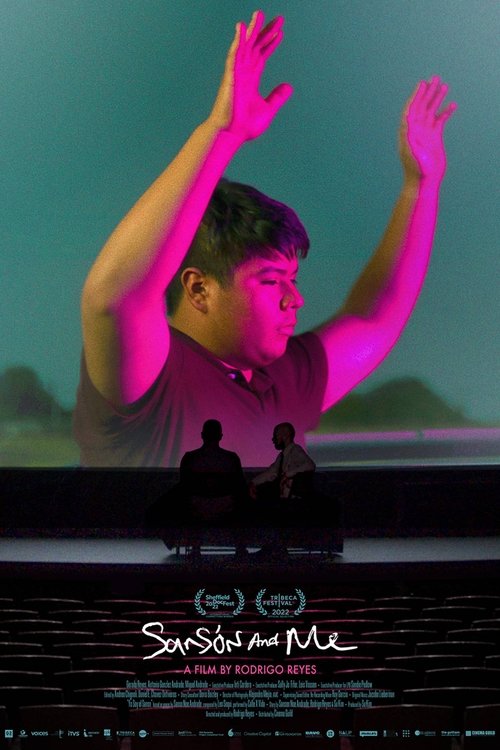
Borders have defined Sansón’s life. There’s the physical and psychological border between Mexico and the US. And now, looking at a life behind bars, there’s the one that separates him from his loved ones. Since it is forbidden to film inside the jail, Reyes recreates Sansón’s life – with the help of his family – through letters and by casting an untrained actor to play his friend. The resulting film is a reflection on migration, the notion of family, what it means to see one’s life on film, and the harshness and injustice of the US prison system.

Chinese cities expand and gradually absorb the countryside. The village of Yangji was yet another victim to the expansion, which benefits local developers linked to the government. Rural residents are forced to vacate their simple dwellings and make room for new houses and entrepreneurs from the cities. The vast majority of local resistance will subside despite meager compensation and low prospects for decent housing, but Azhong is one of a handful of people who choose to fight against the corrupt system.
