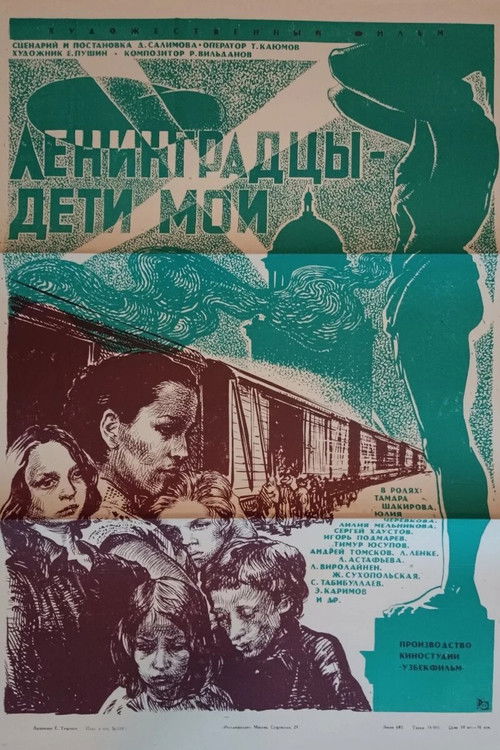
Leningraders, My Children
1981
1942, Great Patriotic War. Thousands of orphaned children evacuated from besieged Leningrad and other cities found shelter and care in Uzbek families and orphanages.
Browse popular War movies
1942, Great Patriotic War. Thousands of orphaned children evacuated from besieged Leningrad and other cities found shelter and care in Uzbek families and orphanages.
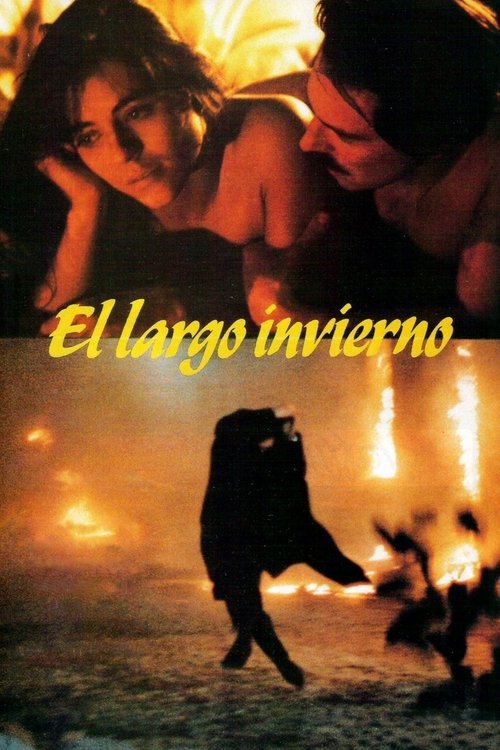
In 1939, Ramón was a young man, caught up in his Barcelona family's involvement on the Republic side in the brutal Spanish Civil War. He and his family fled into exile ahead of Franco's troops. Now it is many years later, and he has come back to see how his old homestead fared in the intervening years. The only person he can find who is able to remember those years clearly is his family's old butler Claudio.
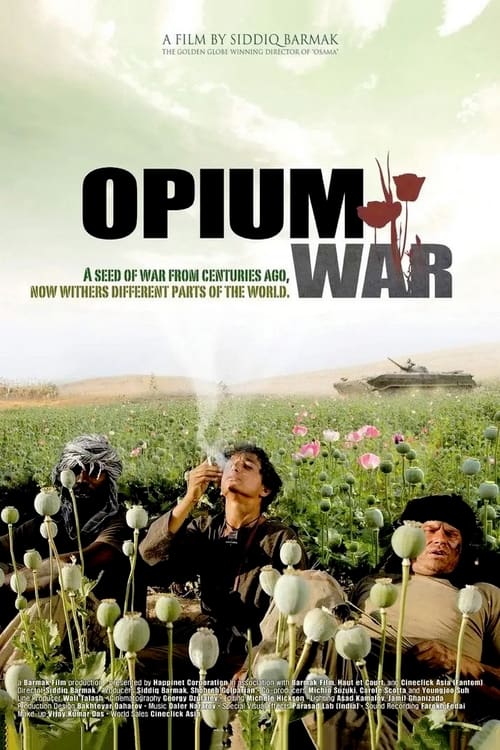
Two American soldiers crash their helicopter in the Afghan desert and find themselves at the mercy of the natural elements and an eclectic family of Afghan opium farmers.
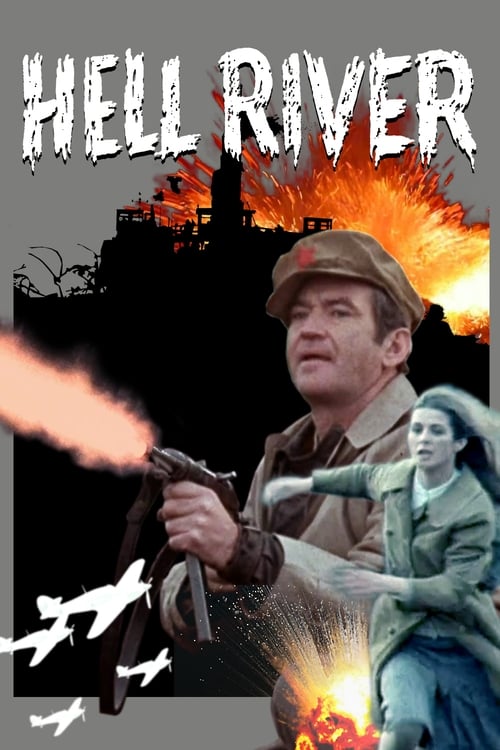
Yugoslav partisans battle Nazi invaders in a series of bloody confrontations which eventually culminate in the Battle at Hell River.
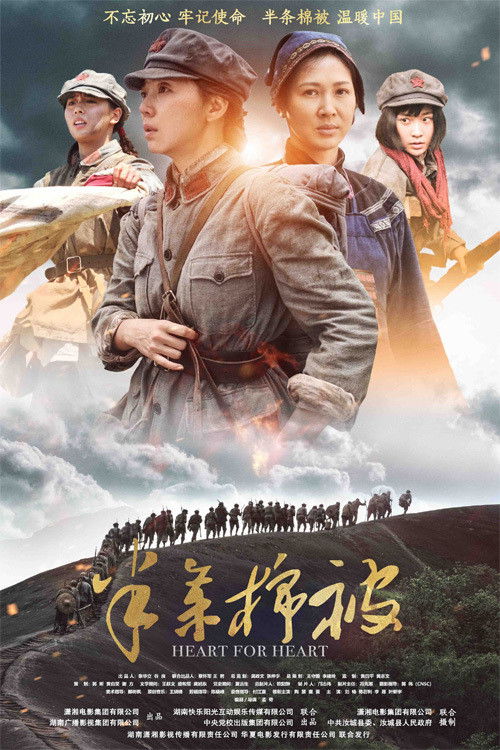
In October 1934, after the failure of the Fifth Counter-Encirclement Campaign, the Central Red Army was forced to withdraw from the Central Soviet Area and begin a strategic retreat to escape the encirclement and pursuit of Nationalist forces. Along the way, under relentless ground assaults and aerial bombings, the Red Army fought bravely, breaking through enemy lines time and again. During one such breakout, in Shazhou Village, Rucheng County, Hunan, three female Red Army soldiers stayed overnight at the home of an elderly woman named Xu Jiexiu. Before leaving, they cut their only quilt in half and left one part for the old woman. Later, Xu said, “What is the Communist Party? The Communist Party is the people who would cut their only quilt in half and give one part to the people.”

The film begins after Alexander the Great (Sikander in Hindi/Urdu) conquers Persia and the Kabul valley and approaches the Indian border at Jhelum. Sohrab Modi plays the Indian king Puru (Porus to the Greeks). The story goes that when Sikander defeated Porus and imprisoned him, he asked Porus how would he like to be treated. Porus replied the same way a defeated king is treated by the winner (meaning killed).
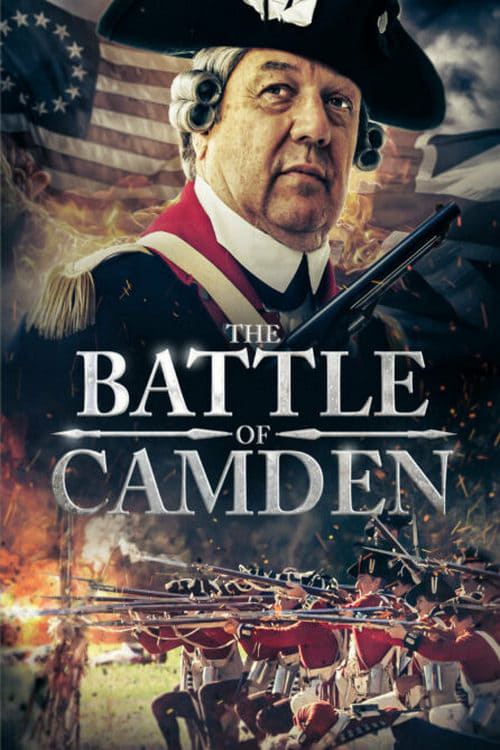
The Battle of Camden illustrates the struggle of Southern patriots in their fight against the British in the second half of the Revolutionary War.
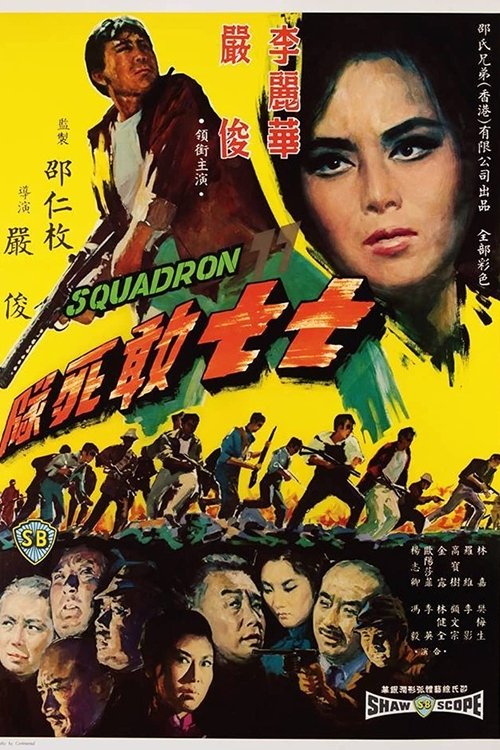
Spy thriller set in occupied Shanghai. Li Lihua stars as the woman who is thrust into the role of nationalist freedom fighter when she discovers that her husband is a collaborator with the Japanese.
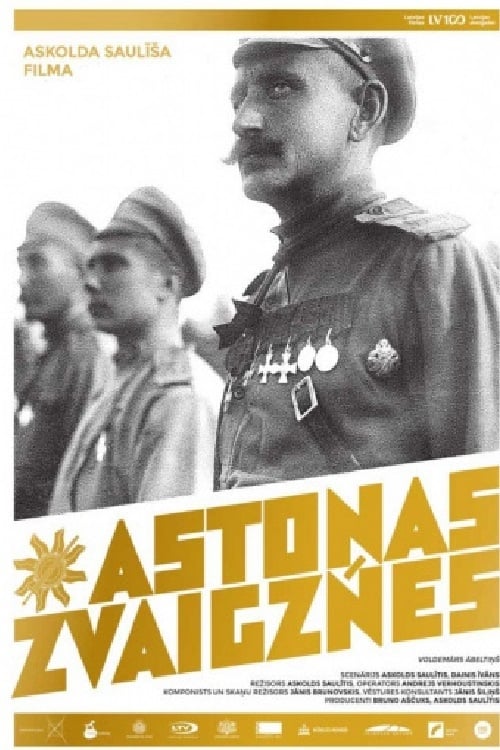
This film tells about the most striking and tragic phenomenon during the development of self-awareness of the Latvian nation – the Latvian Riflemen. The first Daugavgrīva regiment, the second Riga, third Kurland, fifth Semigallian, sixth Tukums, seventh Bauska and eighth Valmiera regiments of Latvian Riflemen – this was Latvia before its statehood. The film is a historically chronological study beginning with the formation of the Riflemen battalions and their first battles until the end of the Civil War in Russia, when a large part of the Riflemen returned home to the recently established state of Latvia. This is a story about common people challenged by the Big Epoch that determined their lives.
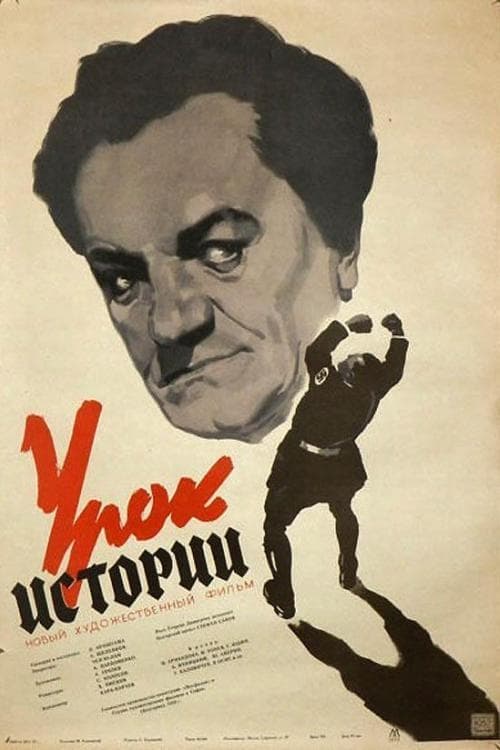
In 1933 Berlin, Bulgarian communist Georgi Dimitrov is caught up in the Reichstag fire trials when Nazis seek to frame communists. Despite orchestrated provocations and mass repression, Dimitrov’s defiant courtroom defense exposes the baseless charges, forcing his acquittal and securing him political asylum in the Soviet Union.
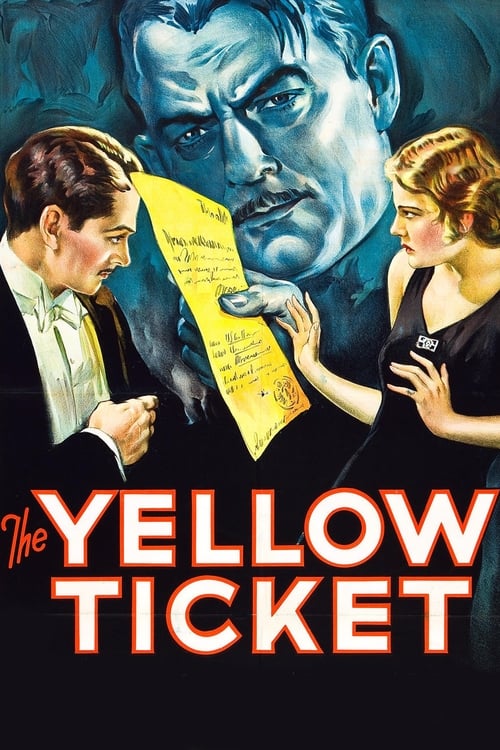
A young Russian girl is forced into a life of prostitution in Czarist Russia, and she and a British journalist find their lives endangered when she reveals to him information regarding the social crimes rampant in her country.
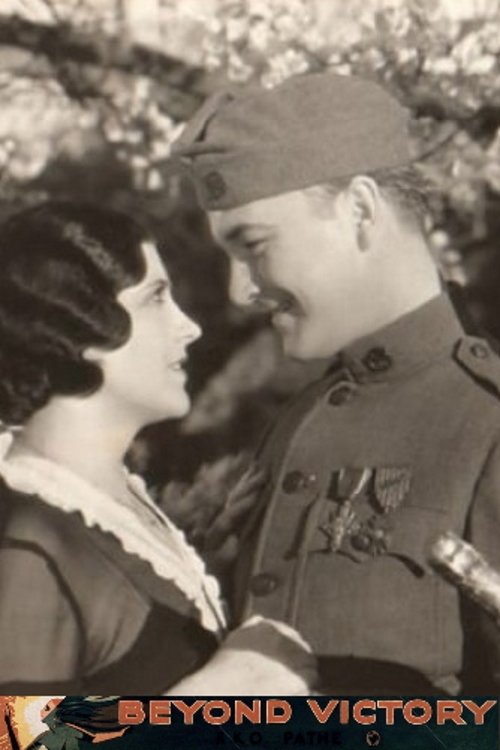
Four battle-weary American soldiers under fire reflect on the women they left behind.
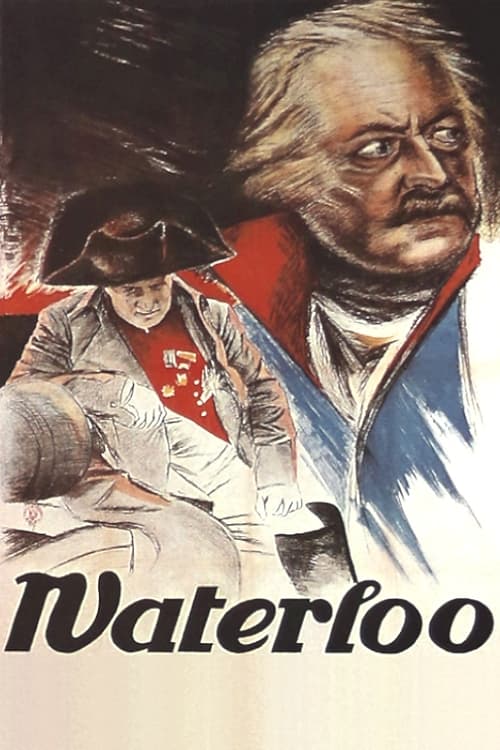
This presentation of 'Waterloo', a film by Karl Grune about the last hurrah of Napoleon, is a fascinating companion to the Abel Gance epic 'Napoleon'. 'Waterloo' presents a tale of several people involved in the final battle. Napoleon and Wellington, of course, but also the Austrian general Blutcher (who is seen as a ladies' man - his scene with a flirty Countess about halfway through the film is priceless; as are his touching scenes with his plain wife (who he imagines to be a young and nubile girl when they get romantic) and some people within his regiment. Not simply a film of war, 'Waterloo' is a story of people, of lovers, of lost opportunities.
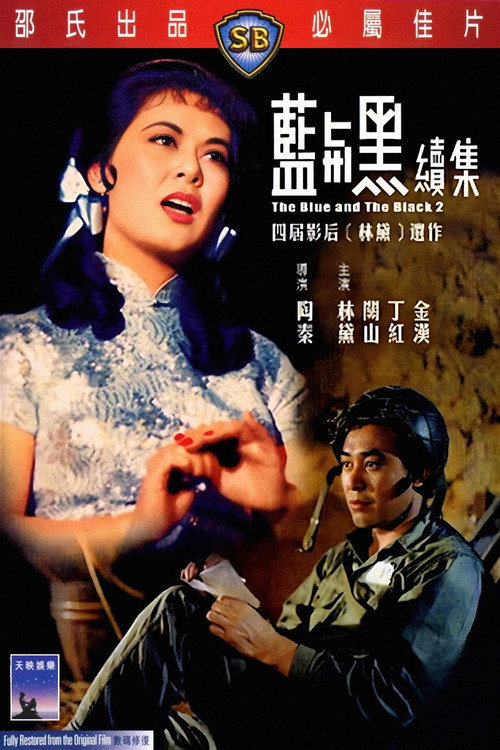
War and time change everything. Their love becomes more than reunion, it becomes a reckoning with what was and what could've been. Part two of the wartime love story.
The love story of a Mongolian shooter and a Kazakh girl, the daughter of the governor Zakira, develops against the background of historical events of the time of Genghis Khan.
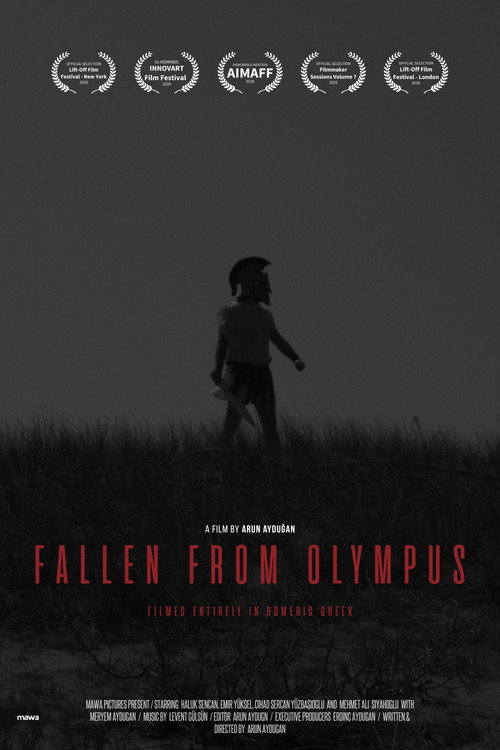
Following the Trojan War, a soldier facing death encounters Thanatos and is drawn into a mythological confrontation about life, fate, and the meaninglessness of war.
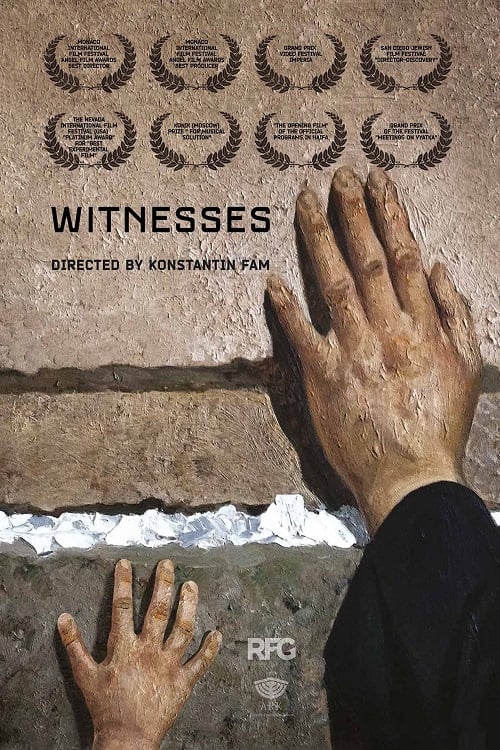
An anthology film about the common topic of the Holocaust and honouring the memory of the victims. What caused the mass extermination of people on a national basis? Where do origins of interethnic intolerance, anti-Semitism, nationalist propaganda come from? Today these issues are still topical. Nationally motivated conflicts still fare up between people; national hostility is still kindled. There are voices that deny the reality of the Holocaust as a historical fact. We cannot allow a repetition of the monstrous tragedy and should never forget about it!

The friendship of two boys is tested to its limits as they battle for survival during the Kosovo war.
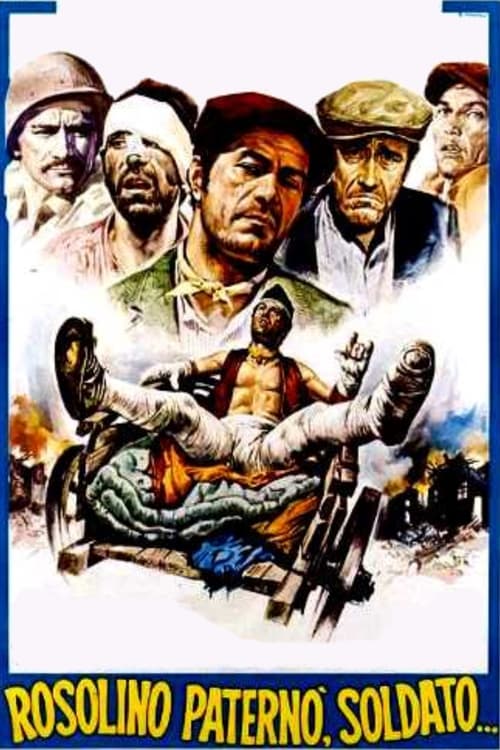
World War II soldiers enter Sicily to seize German arms supply only to discover there is not a gun in sight.
